
The Essential Guide to Price of Horse Saddles in 2026
Understanding the price of horse saddles in 2026 is more crucial than ever for riders, horse owners, and equestrian professionals. The market is experiencing rapid changes, driven by advancements in technology, new materials, and shifts in global supply chains.
These factors are causing noticeable fluctuations in costs across all types and brands of saddles. Staying informed will help buyers and sellers navigate these shifts with confidence.
With the right knowledge, you can make smarter purchasing decisions and secure the best value for your needs. This guide will break down key price factors, analyze market trends, compare price ranges, and offer expert strategies for buying saddles in 2026.
Key Factors Influencing Horse Saddle Prices in 2026
Understanding the price of horse saddles in 2026 requires a close look at the forces shaping the market. Buyers and sellers must navigate a landscape shaped by technology, economics, and shifting consumer expectations. Each of the following factors contributes to the overall pricing structure, and being aware of them can help you make informed decisions.
Material Advancements and Their Impact
New materials are redefining the price of horse saddles. Synthetic and eco-friendly composites, like recycled polymers and bio-based foams, are now common. These options often cost less to produce than traditional leather, yet provide comparable durability.
Leather saddles, valued for their craftsmanship and classic appeal, still command higher prices. However, brands adopting innovative materials, such as Wintec and Bates, have introduced affordable yet high-performance models.
A 2025 survey showed synthetic saddles could be 25% to 40% less expensive than premium leather versions. For a deeper dive into how materials shape pricing, see this Factors Affecting Saddle Costs resource.
Labor and Manufacturing Costs
Global labor rates and manufacturing technology have a direct impact on the price of horse saddles. Automation is streamlining production, reducing costs for some brands, but skilled craftsmanship remains essential for high-end saddles.
Manufacturing hubs have shifted, with more production now based in countries with lower labor costs. This can lower prices for certain models, while top European brands maintain premium pricing due to higher wages and quality standards.
For example, a leading UK saddle maker reported a 10% rise in retail prices after relocating some operations to control labor expenses. These changes underscore how labor dynamics shape the price of horse saddles.
Brand Reputation and Prestige
Brand reputation is a powerful driver of the price of horse saddles. Established brands with a long history, like Stubben or CWD, are often able to charge a premium based on their legacy and perceived quality.
In contrast, newer or budget brands compete by offering value-focused options. Consumers are willing to pay more for trusted names, expecting superior fit, durability, and after-sales support.
A recent market report found that high-end brands can cost up to three times more than entry-level competitors for similar saddle types. This premium reflects not just product quality, but also the intangible value of brand prestige.
Saddle Type and Intended Use
The price of horse saddles varies significantly by type and purpose. Dressage, jump, general purpose (GP), and endurance saddles each have unique design requirements and material needs. Specialty saddles for niche disciplines can also command higher prices due to limited production runs.
For example, average prices in 2026 are as follows:
| Saddle Type | Average Price (USD) |
|---|---|
| Dressage | $2,000 - $5,000 |
| Jump | $1,800 - $4,500 |
| GP | $1,200 - $3,000 |
| Endurance | $1,500 - $3,500 |
Understanding these differences helps explain why the price of horse saddles is not one-size-fits-all.
Customization and Fit Technology
Personalized fitting and advanced technology are becoming standard, influencing the price of horse saddles. Brands now offer 3D scanning, adjustable tree systems, and smart sensors to enhance comfort and performance.
Custom saddles, tailored to horse and rider, command a considerable premium. For instance, a custom-fitted saddle can cost 30% to 60% more than an off-the-shelf model.
The investment often pays off in long-term comfort and reduced risk of injury. As fit technology becomes more accessible, expect the price of horse saddles with these features to remain a key consideration for buyers.
Supply Chain and Global Economic Factors
The global economy and supply chain disruptions are affecting the price of horse saddles. Rising shipping costs, tariffs, and material shortages have led to price increases across the industry.
Recent events, such as port delays and raw material scarcities, have forced manufacturers to adjust pricing to maintain profitability. In 2026, industry data shows an average 12% increase in saddle prices linked to these challenges.
Staying informed about supply chain trends can help buyers anticipate changes in the price of horse saddles and plan their purchases strategically.
2026 Price Ranges by Saddle Type and Brand
Understanding the price of horse saddles in 2026 requires a close look at how technology, materials, and brand reputation shape the market. As demand grows for specialized equipment, price brackets have become more defined and transparent. Each saddle type caters to unique needs and comes with its own set of considerations, making it crucial for buyers to compare features, brands, and innovations before committing.
Dressage Saddles
Dressage saddles in 2026 continue to reflect a wide spectrum in pricing, driven by craftsmanship, materials, and technological advancements. Entry-level models typically start around $1,000 to $1,500, offering essential features for amateur riders. Mid-range dressage saddles range from $2,000 to $3,500, often including ergonomic panels and higher-grade leather. Premium models, favored by professionals, can exceed $5,000, with some bespoke options reaching $8,000 or more.
Top brands such as Albion, Prestige, and Passier lead the market, offering innovative designs and custom fitting. For a detailed comparison of current models and their costs, review the Dressage Saddles Price Range to see how features influence the price of horse saddles in this category.
| Price Bracket | Typical Range (USD) | Notable Brands |
|---|---|---|
| Entry-Level | $1,000 - $1,500 | Wintec, Bates |
| Mid-Range | $2,000 - $3,500 | Albion, Prestige |
| Premium | $5,000+ | Passier, Custom Saddlery |
Understanding these distinctions ensures that dressage riders can align their investment with their riding goals.
Jump Saddles
Jump saddles in 2026 reflect both performance needs and aesthetic preferences. Entry-level jump saddles are generally priced between $1,200 and $1,800, making them accessible for newcomers and young competitors. Mid-range options fall within $2,000 to $3,800, providing advanced shock absorption and lighter materials. High-end models, prized for their balance and innovative tree designs, often range from $4,500 to $7,000.
Notable brands such as CWD, Antares, and Amerigo offer models that dominate the show jumping circuit. Recent trends show a shift toward adjustable trees and smart padding, which can slightly increase the price of horse saddles but offer long-term value for active competitors.
| Price Bracket | Typical Range (USD) | Leading Brands |
|---|---|---|
| Entry-Level | $1,200 - $1,800 | Collegiate, Pessoa |
| Mid-Range | $2,000 - $3,800 | Antares, CWD |
| Premium | $4,500+ | Amerigo, Devoucoux |
These trends highlight the importance of balancing cost with performance features.
General Purpose (GP) Saddles
General Purpose (GP) saddles remain a versatile and affordable choice for riders who participate in multiple disciplines. In 2026, entry-level GP saddles can be found for $800 to $1,300, while mid-range options with improved comfort and durability are priced between $1,500 and $2,500. Premium GP saddles, featuring advanced ergonomic designs and luxury materials, may reach $3,500.
Best-selling GP brands include Thorowgood, Kent & Masters, and Wintec. According to market share data, GP saddles account for a significant portion of sales, reflecting their broad appeal and the accessible price of horse saddles in this segment.
| Price Bracket | Typical Range (USD) | Popular Brands |
|---|---|---|
| Entry-Level | $800 - $1,300 | Thorowgood, Wintec |
| Mid-Range | $1,500 - $2,500 | Kent & Masters |
| Premium | $2,800+ | Fairfax, Bates |
Affordability and adaptability continue to drive demand in the GP saddle market.
Endurance and Specialty Saddles
Endurance and specialty saddles are designed for long-distance comfort and unique equestrian sports. In 2026, entry-level endurance saddles start at $1,200, with mid-range models around $2,500 to $3,500. High-end specialty saddles, particularly those with custom-fit panels and lightweight composites, can exceed $5,000.
Innovative features such as moisture-wicking panels, ultra-light trees, and modular components contribute to the higher price of horse saddles in this segment. Specialized brands like Specialized Saddles and Freeform are recognized for pushing the envelope with comfort and durability innovations.
| Price Bracket | Typical Range (USD) | Specialty Brands |
|---|---|---|
| Entry-Level | $1,200 - $1,900 | Abetta, Synergist |
| Mid-Range | $2,500 - $3,500 | Specialized, Freeform |
| Premium | $5,000+ | ReactorPanel, Custom |
These saddles cater to riders seeking a tailored experience for demanding conditions.
Pony and Youth Saddles
The pony and youth saddle market has seen notable growth by 2026, with affordability and fit being primary concerns for parents and trainers. Entry-level saddles for children and ponies are available from $500 to $900, while mid-tier options with better materials and adjustability are priced from $1,000 to $1,700. Premium youth saddles, often with custom features and lighter builds, can go above $2,500.
Leading brands such as Wintec, Thorowgood, and Pessoa have expanded their offerings to meet increased demand. This segment reflects the expanding youth participation in equestrian sports and the resulting shift in the price of horse saddles for younger riders.
| Price Bracket | Typical Range (USD) | Top Youth Brands |
|---|---|---|
| Entry-Level | $500 - $900 | Wintec, Thorowgood |
| Mid-Range | $1,000 - $1,700 | Pessoa, Bates |
| Premium | $2,500+ | Custom, Prestige |
These price points support the next generation of riders, ensuring access to quality saddles at every budget.
New vs. Secondhand Saddles: Cost Comparison and Value
Navigating the choice between new and secondhand saddles is a crucial step for any rider concerned with the price of horse saddles. Both options offer unique benefits and challenges. An informed approach helps riders maximize value while ensuring the right fit for horse and rider.
Pros and Cons of Buying New Saddles
Purchasing a new saddle provides peace of mind, as it comes with a full manufacturer’s warranty and the latest advancements in design and materials. Buyers benefit from the ability to customize features, ensuring optimal fit and comfort. New saddles often incorporate cutting-edge technology, such as adjustable trees or pressure-mapping systems, that enhance performance.
However, the price of horse saddles in the new market is notably higher compared to used options. New saddles experience immediate depreciation after purchase, which can impact resale value. While the upfront investment secures the latest innovations, buyers should weigh these benefits against the financial commitment.
Pros of New Saddles:
- Warranty protection
- Access to the latest technology
- Customizable features and fit
Cons of New Saddles:
- Higher purchase price
- Depreciation after first use
- Longer wait times for custom orders
The Secondhand Saddle Market in 2026
The secondhand saddle market in 2026 continues to expand, driven by increased demand for affordable, high-quality equipment. Riders are seeking ways to manage the price of horse saddles without sacrificing comfort or performance. Pre-owned saddles regularly sell for 30–60% less than their new counterparts, making them an attractive option for budget-conscious buyers.
Several factors influence the value of a secondhand saddle. Brand reputation, age, and condition play significant roles in determining resale price. Saddles from reputable brands tend to hold value longer, while well-maintained leather or modern synthetic options can fetch premium prices within the used market.
Table: Typical Secondhand Price Reductions
| Saddle Condition | % of Original Price | Key Considerations |
|---|---|---|
| Like New | 70–80% | Minimal wear, recent model |
| Good | 50–65% | Some signs of use, well-kept |
| Fair | 30–45% | Noticeable wear, older style |
How to Assess Value and Authenticity
Evaluating a used saddle requires diligence to ensure it meets expectations regarding quality and fit. Start by researching the price of horse saddles for the specific brand and model you are considering. Check for visible wear, tree soundness, and stitching integrity. Request detailed photos and, if possible, arrange for a professional inspection.
Use the following checklist when assessing a secondhand saddle:
- Examine the tree for cracks or warping
- Inspect billets and girth straps for excessive wear
- Check stitching around panels and flaps
- Assess overall leather or synthetic condition
- Confirm serial numbers or brand markings for authenticity
Avoiding counterfeits is especially important in the secondhand market. Always buy from reputable sellers and ask for original paperwork when available. A thorough assessment helps you make a confident decision and avoid costly mistakes.
The Value of Secondhand Saddles and How The Saddle Broker Can Help
Trusted marketplaces like The Saddle Broker simplify the process of buying and selling quality used saddles. Their services include professional inspections, transparent pricing, and trial periods, which help buyers accurately assess the price of horse saddles before committing. With expert fitting support and options for financing, The Saddle Broker supports riders at every budget level.
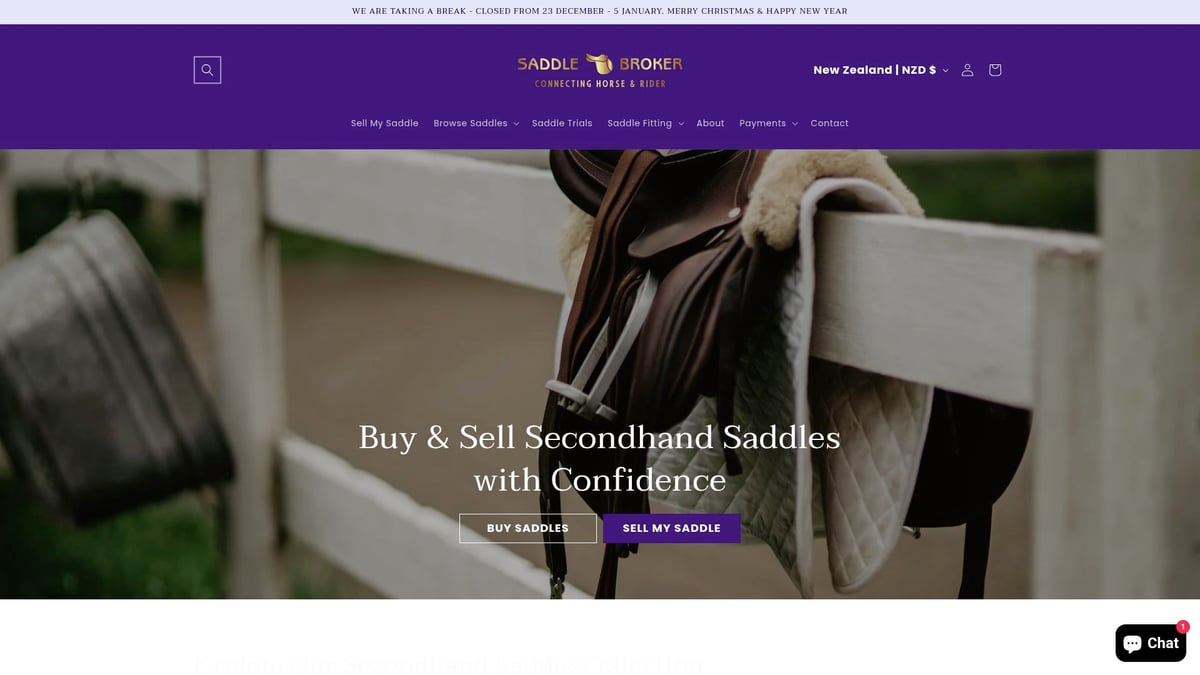
For example, a mid-range dressage saddle listed at 50% below its original retail price can be tried at home before purchase. This reduces the risk of poor fit or unexpected issues. The Saddle Broker also provides guidance on saddle selection and offers flexible payment plans, making high-quality saddles accessible to more riders.
Utilizing a specialized platform ensures value, safety, and support throughout the buying journey. Riders can confidently navigate the secondhand market, secure in the knowledge that their investment is protected.
Regional Price Variations and Market Trends
Understanding the price of horse saddles in 2026 requires looking beyond materials and brands. Regional market trends play a crucial role in shaping what buyers pay, from international supply chains to local economic conditions. Whether you are a seasoned equestrian or a first-time buyer, recognizing these variations will help you make informed decisions.
Price Differences by Country and Region
The price of horse saddles varies significantly by region in 2026. Several factors drive these differences, including local labor costs, import duties, access to raw materials, and consumer demand. North America and Europe often lead in premium pricing, while Asia and Australia/New Zealand offer more affordable options due to lower manufacturing costs and regional suppliers.
Here is a summary table of average 2026 saddle prices by region:
| Region | Entry-Level | Mid-Range | Premium |
|---|---|---|---|
| North America | $800 | $2,000 | $5,000+ |
| Europe | €750 | €1,800 | €4,800+ |
| Australia/New Zealand | AU$900 | AU$2,100 | AU$4,500+ |
| Asia | $600 | $1,400 | $3,500+ |
Regional economic policies and supply chain efficiency further affect the price of horse saddles. For a deeper dive into regional market shifts and global pricing factors, see the Horse Saddle Market Size & Insights Report 2035.
Urban vs. Rural Market Dynamics
Geographic location within a country also impacts the price of horse saddles. In urban areas, competition among retailers and easy access to professional fitters often result in a wider range of options and promotional pricing. However, higher overhead costs can sometimes push prices up.
In contrast, rural markets may have fewer local suppliers, limiting choice and creating higher transportation costs. Riders in remote regions may pay more for specialty models or rely on online sellers, affecting both availability and the total price of horse saddles. The difference in access can mean urban buyers are more likely to find discounts, while rural buyers may prioritize durability and long-term value.
Online vs. In-Store Pricing
The rise of e-commerce has changed how people shop for horse saddles. Online platforms typically offer a broader selection and competitive pricing due to lower operational costs. Buyers benefit from price comparison tools and seasonal promotions, which can lead to substantial savings on the price of horse saddles.
However, purchasing online comes with risks, such as counterfeit products or fit issues. In-store purchases allow for hands-on assessment and professional advice, often justifying a slightly higher price. Data from 2026 indicates that online prices are, on average, 10-15% lower than brick-and-mortar stores for comparable models, but after factoring in shipping and return fees, the gap can narrow.
Impact of Currency Fluctuations and Import Fees
International trade dynamics significantly affect the price of horse saddles, especially for imported brands. Exchange rate volatility can cause price swings almost overnight, impacting both retailers and end consumers. Tariffs and import duties further add to costs, particularly for brands shipped across continents.
Consider this case study: importing a premium European saddle into Australia in 2026 may add up to 20% in import fees and taxes, on top of shipping charges. As a result, Australian buyers often face higher final prices for certain brands compared to their European counterparts. Monitoring currency trends and shopping during favorable exchange periods can help minimize these additional costs and secure the best value for the price of horse saddles.
Smart Buying Strategies for 2026 Saddle Shoppers
Making informed decisions about the price of horse saddles in 2026 is essential for every rider, owner, and professional. With evolving materials, technology, and market trends, smart buying strategies help you secure the right saddle at the right price.
Setting a Realistic Budget
Start by defining a clear budget that reflects the total ownership cost. The price of horse saddles includes more than just the upfront payment. Factor in fitting services, essential accessories like stirrups and girths, and ongoing maintenance. Researching affordable saddles for sale can reveal budget-friendly options, helping you compare value across new and secondhand models. Create a spending plan that considers both immediate and long-term expenses, ensuring your investment remains manageable.
Timing Your Purchase for Best Value
When planning your next saddle purchase, pay attention to seasonal sales, clearance events, and new model launches. The price of horse saddles often drops during end-of-year sales or when retailers clear inventory for updated designs. Reviewing historical price trends can guide you to the best times to buy. Consider waiting for special promotions or trade-in offers, which can further reduce costs. By aligning your purchase with these market cycles, you maximize your budget and avoid paying premium rates.
Evaluating Fit and Long-Term Comfort
Proper fit is crucial for horse and rider comfort, and it directly affects the price of horse saddles over time. Investing in professional fitting services may add to the upfront cost, but it prevents expensive issues like saddle sores or the need for premature replacement. Use a checklist to assess fit, including wither clearance, panel distribution, and seat size. Remember, a poorly fitted saddle can lead to higher costs from vet bills or corrective equipment. Prioritize fit to protect your investment and your horse’s well-being.
Leveraging Financing and Payment Options
Exploring financing plans can make the price of horse saddles more accessible. Many retailers offer installment payments or lease-to-own programs. Weigh the advantages, such as spreading out costs and accessing higher-quality saddles, against potential drawbacks like interest fees. Compare total expenses with and without financing to identify the best option for your budget. Choose payment terms that fit your financial situation and future needs, ensuring you stay within your planned expenditure.
Negotiating and Securing the Best Deal
Negotiation is an important skill when shopping for saddles. Always research the market to understand the current price of horse saddles for your preferred type and brand. Use this information to negotiate with retailers or private sellers. Look out for overpriced listings by comparing similar models and checking for recent price reductions. Utilize online resources and price comparison tools to support your bargaining position. With preparation and confidence, you can secure the best possible deal.
Future Predictions: Where Are Saddle Prices Heading?
Predicting the future price of horse saddles involves analyzing a complex web of innovation, market shifts, and evolving consumer values. As we approach 2026 and beyond, buyers and sellers are seeking clarity on what will shape the cost landscape. Understanding these interconnected trends is essential for making strategic decisions and ensuring value in every transaction.
Technological Innovations on the Horizon
The next few years promise significant advancements in saddle design and production. New materials, such as ultralight composites and smart textiles, are gaining traction among leading brands. These innovations not only enhance rider and horse comfort but also have the potential to influence the price of horse saddles by introducing both premium and mid-range options.
Expect to see more saddles equipped with integrated sensors for real-time fit analysis and pressure mapping. 3D printing and digital customization will enable precise tailoring, reducing the need for costly manual adjustments. According to the Horse Saddles and Tacks Market Size, Trends & Outlook Report 2034, digital tools and ergonomic designs are already impacting manufacturing costs and consumer expectations.
While these innovations may initially drive prices higher, increased production efficiency could balance costs over time. Early adopters of tech-forward saddles should prepare for a premium, while mainstream adoption may eventually stabilize prices.
Sustainability and Ethical Sourcing
Sustainability is no longer a niche concern; it is rapidly becoming a central factor in the price of horse saddles. Riders and industry professionals are demanding transparency in sourcing and production, leading manufacturers to prioritize eco-friendly materials and ethical labor practices.
The shift toward plant-based leathers, recycled synthetics, and minimal-waste manufacturing processes is reshaping the market. Brands investing in these initiatives often pass some of the added costs onto consumers, reflecting the true price of horse saddles that meet higher environmental standards.
Sustainability also influences consumer perception of value. Many buyers are willing to invest more in saddles that align with their ethical beliefs. The same Horse Saddles and Tacks Market Size, Trends & Outlook Report 2034 highlights the growing impact of these trends on production costs and long-term pricing structures.
Evolving Rider Demographics and Preferences
Demographic shifts are playing a significant role in shaping the price of horse saddles. The rise in youth participation, growth in recreational riding, and increased diversity among equestrian communities are expanding the market. These changes fuel demand for a broader range of saddle types and price points.
Data from the Horse Saddle Market Size & Share Trends, 2033 indicate that ergonomic designs and lightweight materials are especially popular among younger and newer riders. As manufacturers respond to these preferences, the price of horse saddles is likely to reflect both increased volume and enhanced features.
Additionally, the demand for entry-level and customized saddles is expected to grow, offering more choices for every budget. This diversification could help moderate price increases in some segments, while premium models continue to command higher costs due to specialized features.
Economic and Industry Forecasts
Economic factors will remain a powerful driver of the price of horse saddles through 2030. Inflation, currency fluctuations, and shifting global trade policies can all impact material and labor costs. Industry analysts predict that, while some saddle types may see modest price increases, others could experience sharper spikes if raw material shortages persist.
The table below summarizes expert forecasts for average saddle prices by 2030:
| Saddle Type | 2026 Avg Price | 2030 Projected Price | Key Drivers |
|---|---|---|---|
| Dressage | $3,200 | $3,700 | Tech, materials |
| Jump | $2,900 | $3,350 | Ergonomics, demand |
| General Purpose | $1,900 | $2,100 | Volume, supply chain |
| Endurance/Specialty | $2,800 | $3,250 | Customization, logistics |
These projections highlight how the price of horse saddles will likely continue to climb, especially for models with advanced features or sustainable materials. Monitoring global economic trends will be essential for both buyers and sellers.
The Role of Secondhand and Circular Economy Models
As prices evolve, the secondhand market is becoming increasingly important. Circular economy models—where products are reused, refurbished, or recycled—are expected to stabilize the price of horse saddles for many consumers. Resale and trade-in programs are gaining traction, providing more affordable options without sacrificing quality.
Buyers are turning to reputable marketplaces for pre-owned saddles, benefiting from professional inspections and transparent pricing. This shift not only supports budget-conscious riders but also encourages manufacturers to design products with longevity and resale value in mind.
The growing acceptance of secondhand saddles could create a more balanced market, where high-quality options are accessible at various price points. As a result, the price of horse saddles may become less volatile in the face of economic uncertainty.
Recommendations for Buyers and Sellers in 2026
To navigate the changing landscape, buyers and sellers should take a proactive approach:
- Stay informed: Regularly monitor market reports and emerging trends that affect the price of horse saddles.
- Prioritize fit and comfort: Invest in professional fitting or digital customization to ensure long-term satisfaction.
- Consider sustainability: Evaluate the environmental and ethical credentials of brands before making a purchase.
- Explore secondhand options: Leverage reputable resale platforms to find quality saddles at competitive prices.
- Plan ahead: Factor in potential price increases and budget accordingly for future needs.
By adopting these strategies, stakeholders can make confident, future-proof decisions in a dynamic market. The evolving price of horse saddles will reflect not only costs and innovation, but also the values and priorities of the equestrian community.
Understanding what drives saddle prices in 2026 is key to making smart decisions, whether you're buying your first saddle or looking to upgrade. With so many factors at play—like new materials, evolving tech, and market trends—it's important to find the right fit without overpaying. If you want to experience a saddle firsthand before committing, you can take advantage of Saddle Trials to ensure comfort and suitability. This way, you get peace of mind and expert support as you navigate the changing landscape of the saddle market.