
The Essential Saddle Shop Guide for Beginners 2025
Stepping into a saddle shop for the first time can feel like navigating a maze. With so many saddles, brands, and terms to consider, beginners often find the process overwhelming and confusing.
This essential guide is designed to demystify the saddle shop experience, giving newcomers the clarity and confidence they need to make smart choices in 2025.
We will walk you through the basics of saddle types, choosing the right fit, what to expect during your shop visit, practical care tips, and the latest trends shaping the industry. By the end, you will be ready to approach your saddle shop journey step by step.
Understanding Saddle Types and Their Purposes
Choosing the right saddle is the foundation of a positive riding experience. As you enter a saddle shop for the first time, understanding the differences among saddle types, materials, and buying options will help you make confident decisions.
Common Saddle Categories Explained
Saddles come in a range of styles, each designed for specific disciplines and rider needs. The most common categories you'll encounter in a saddle shop include:
- Dressage Saddles: Characterized by a deep seat and straight flaps, these saddles support correct rider posture and close contact with the horse. Ideal for precision and flatwork.
- Jumping Saddles: With a flatter seat and forward-cut flaps, jumping saddles allow greater freedom of movement for both horse and rider, making them perfect for show jumping and eventing.
- General Purpose (GP) Saddles: The most versatile option found in any saddle shop, GP saddles balance features of both dressage and jumping saddles. According to a 2024 survey, over 60% of new riders choose GP saddles for their adaptability.
- Pony Saddles: Scaled-down versions suited for younger riders and smaller horses.
- Western Saddles: Built for comfort and security during long hours, these are favored in trail, ranch, and western disciplines.
| Saddle Type | Seat Depth | Flap Length | Typical Use | Suitable for Beginners |
|---|---|---|---|---|
| Dressage | Deep | Long | Dressage, flatwork | Yes, if focused |
| Jumping | Shallow | Short | Jumping, eventing | Yes, if jumping |
| GP | Moderate | Moderate | All-round | Highly recommended |
| Pony | Varies | Short | Youth, small horses | Yes |
| Western | Deep | Long | Trail, ranch | Yes, if western riding |
Specialty saddles, such as endurance and trail saddles, are designed for unique needs like long-distance comfort or challenging terrain. Beginners often benefit from the stability of GP or western saddles, while discipline-specific models offer performance advantages as you progress.
Each saddle type comes with its own pros and cons. For example, dressage saddles offer superior support but less versatility, while GP models are flexible but may not excel in specialized activities. When visiting a saddle shop, consider your riding goals and future aspirations before making a choice.
Materials and Construction: What to Look For
The materials and construction techniques used in saddles directly impact longevity, comfort, and value. When browsing a saddle shop, you'll likely encounter both leather and synthetic options.
- Leather Saddles: Known for durability, comfort, and classic appearance. They require regular conditioning and can be pricier, but many riders find the investment worthwhile.
- Synthetic Saddles: Lightweight and often more affordable, these saddles are easier to maintain and are resistant to weather. However, some may lack the flexibility or feel of quality leather.
Saddle trees—the internal framework—also differ:
- Wooden Trees: Traditional and sturdy, offering excellent shock absorption.
- Fiberglass/Plastic Trees: Lightweight and often used in synthetic saddles for cost savings.
- Adjustable Trees: Allow customization to fit different horses, a feature growing in popularity at many modern saddle shops.
Quality craftsmanship is evident in the stitching, padding, and hardware. Inspect for even, tight stitching and robust hardware. Padding should provide comfort without excessive bulk.
Consider this: A well-made leather saddle from a reputable saddle shop may initially cost more, but with proper care, it can last decades. In contrast, some synthetic saddles, while budget-friendly, may wear out faster under heavy use. Always balance your immediate budget with the expected lifespan and comfort needs.
New vs. Secondhand Saddles: Which Is Right for You?
When exploring options at a saddle shop, you will face the choice between new and secondhand saddles. For many beginners, this decision comes down to budget, fit, and long-term value.
Cost Comparison:
- Entry-level new saddles can be more expensive upfront.
- Quality secondhand saddles often provide better value, especially when sourced from reputable shops.
Benefits of Pre-Owned Saddles:
- Already broken in, offering immediate comfort.
- Greater affordability, making it easier to access higher-quality brands.
Risks to Consider:
- Potential for hidden damage or excessive wear.
- Uncertainty about fit or remaining lifespan.
The secondhand saddle market saw an estimated 15% growth in 2024, driven by affordability and increased sustainability awareness. To minimize risks, many buyers now seek shops that offer warranties and inspection services. For example, you can review Secondhand Saddle Warranty Details to understand the protection available when purchasing from a trusted saddle shop.
Ultimately, whether you choose new or pre-owned, prioritize fit, condition, and after-sales support. A well-chosen saddle will support your riding journey for years to come.
The Saddle Fitting Process: Ensuring Comfort and Safety
Stepping into a saddle shop as a beginner often brings excitement and a bit of anxiety. The process of finding the right fit is not just about comfort; it is a crucial step for the health and happiness of both horse and rider. Understanding saddle fitting is essential for safety, performance, and long-term enjoyment of riding.
Why Proper Saddle Fit Matters
A properly fitted saddle is the cornerstone of equine welfare and effective riding. When a saddle shop emphasizes fit, they protect the horse from painful pressure points and the rider from discomfort. Poor saddle fit can lead to serious consequences, including chronic back pain, muscle soreness, and behavioral problems in horses.
Did you know that poorly fitting saddles are linked to 40% of equine back issues, according to the Equine Journal study on saddle fit and back issues? This statistic highlights why every reputable saddle shop insists on careful fitting.
Common signs a saddle does not fit include:
- Uneven sweat marks after riding
- The horse pinning its ears or swishing its tail during saddling
- Dry spots or white hairs on the horse's back
- Rider feeling out of balance or unstable
A well-fitted saddle supports correct rider posture and maximizes communication between horse and rider. It also boosts confidence, allowing you to focus on your riding goals rather than worrying about discomfort or injury. Every visit to a saddle shop should prioritize fit above style or brand.
Step-by-Step Guide to Saddle Fitting
The saddle fitting process in a saddle shop is both art and science. Begin by measuring your horse’s withers, back length, and shoulder angle. These measurements help narrow down suitable models and sizes. Your own measurements matter too: seat size, leg length, and riding discipline all play a role.
Here is a step-by-step guide:
- Take Accurate Measurements: Use a flexible curve or template to map your horse’s back. Bring these details to the saddle shop.
- Assess the Rider’s Needs: Discuss your riding style and preferences with the staff.
- Try Several Saddles: Place each saddle on your horse without a pad, checking for clearance at the withers and spine. The saddle should not rock or pinch.
- Test Ride: If possible, ride in the saddle. Notice your balance and your horse’s reaction.
- Consult a Professional Fitter: Many saddle shop teams include or recommend professional fitters for personalized adjustments.
Common beginner mistakes include choosing a saddle based on looks alone, ignoring subtle signs of discomfort, or skipping the test ride. A good saddle shop will guide you through each step, answering questions and making adjustments as needed.
The Value of Trusted Secondhand Saddle Providers
For many newcomers, the thought of buying from a secondhand saddle shop can be intimidating. However, reputable providers make the process much simpler and safer for beginners.
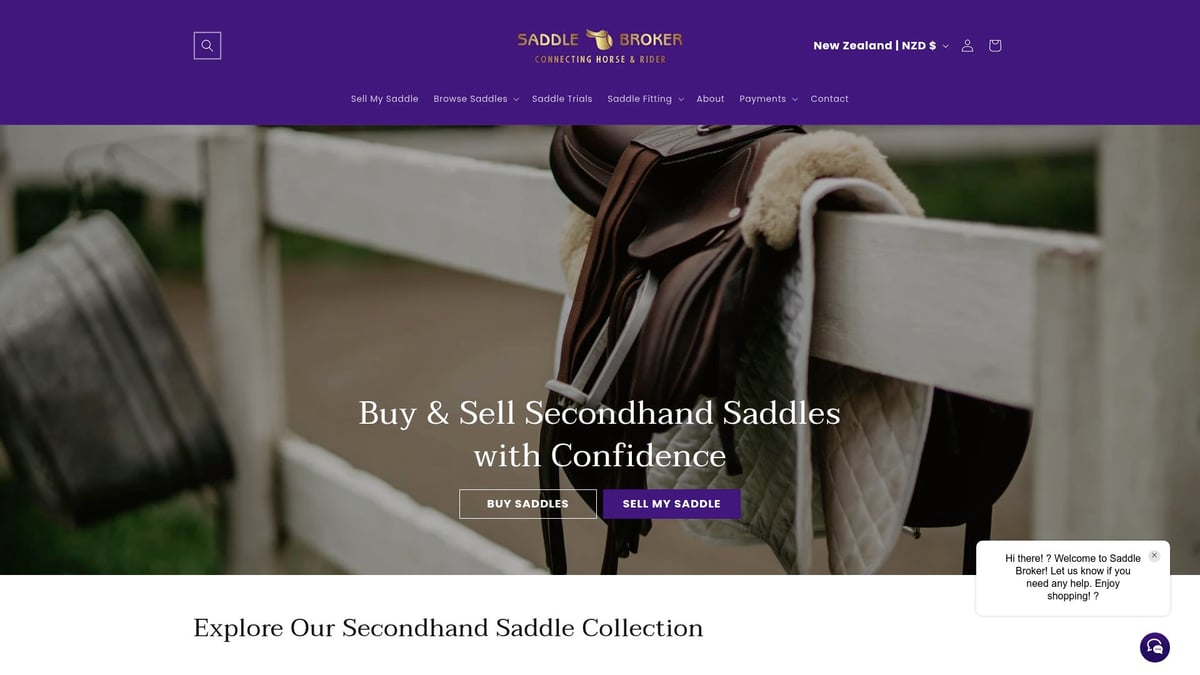
Trusted secondhand saddle shops offer several key benefits:
- Professional Inspection: Saddles are checked for hidden damage and quality.
- Cleaning and Preparation: Each saddle is cleaned and made ready for immediate use.
- Trial Periods: Many shops offer a 7-day trial, so you can test the saddle at home.
- Expert Advice: Staff can match you with the right saddle for your discipline and budget.
- Peace of Mind: Look for providers who offer insurance, secure payment, and access to a network of nationwide fitters.
Consider this real-life scenario: A beginner visits a secondhand saddle shop, unsure where to start. The staff help measure the horse, suggest suitable options, and explain the pros and cons of each. After a trial period, the rider feels confident in their choice, knowing the saddle fits well and was inspected by professionals.
Choosing a trusted secondhand saddle shop can ease the stress of your first purchase and set you up for years of safe, enjoyable riding.
Navigating Your First Saddle Shop Visit
Walking into a saddle shop for the first time is a milestone for any new rider. With so many choices and details to consider, preparing ahead will make your experience less daunting and far more productive. A well-planned visit helps ensure you leave with a saddle that meets both your needs and your horse’s comfort.
Preparing for Your Visit
Before you step into a saddle shop, gathering key information is crucial. Bring your horse’s measurements, including wither height, back length, and shoulder width. Clarify your riding goals, whether you plan to focus on dressage, jumping, or trail riding. Set a clear budget that factors in not just the saddle, but also fitting and possible accessories.
Here’s a checklist to help you get started:
- Horse measurements (withers, back, shoulders)
- Riding discipline and goals
- Budget range, including fitting services
- Questions for staff (fit advice, warranty, return/trial policies)
- Pen and notebook for notes
When you arrive at the saddle shop, share your list and goals with the staff. This transparency lets them guide you toward suitable options and helps prevent costly mistakes. Be honest about your budget and experience level, as this will further refine your choices.
Set realistic expectations for your visit. Quality saddles can range widely in price, and the selection process often takes time. Allow yourself at least an hour for the visit, and be prepared to try several saddles before making a decision.
Evaluating Saddles In-Store
Once inside the saddle shop, take time to inspect each saddle for quality and fit. Examine the stitching for consistency, check for any signs of wear, and assess the integrity of the saddle tree. Ask the staff to demonstrate how to test a saddle on a stand, or better yet, on your horse if the shop allows.
Pay attention to the following when evaluating saddles:
- Uniform, tight stitching
- Solid, even panels and padding
- No cracks or excessive wear on the leather or synthetic material
- Integrity of the tree and hardware
- Balance and fit when placed on your horse
Trial periods are a valuable feature that many saddle shops now offer. According to the Horse & Rider 2024 survey, 72% of buyers report higher satisfaction when they can take a saddle home for a trial. If you are unsure about proper saddle fit, do not hesitate to ask staff for recommendations or use resources like the Find a Professional Saddle Fitter service. This support ensures your selection is comfortable for both you and your horse.
Familiarize yourself with shop policies on returns, exchanges, and fitting support. Knowing these details can save you time and stress if adjustments are needed after purchase.
Building a Relationship with Your Saddle Shop
A positive relationship with your local saddle shop offers benefits beyond the initial purchase. Knowledgeable staff provide ongoing advice, help you navigate maintenance, and can recommend trusted repair services. Many shops host workshops, fitting days, and community events, allowing you to connect with other riders and expand your equestrian network.
After your first visit, stay in touch with the saddle shop for follow-up support. Ask about after-sale services, such as annual fit checks and cleaning days. Taking advantage of these resources ensures your saddle continues to fit well as your riding progresses and your horse changes shape.
Remember, investing time in building these connections will pay dividends in comfort, safety, and riding satisfaction for years to come.
Essential Saddle Care and Maintenance for Longevity
A well-cared-for saddle is an investment that pays off in comfort, safety, and years of reliable service. Whether you’ve just walked out of the saddle shop with a brand-new seat or picked up a trusted secondhand model, regular care routines are essential for maintaining value and performance. Let’s break down how to keep your saddle in top shape from day one.
Daily and Weekly Care Routines
Daily care starts as soon as your ride ends. Always wipe down your saddle with a damp cloth to remove sweat, dirt, and horsehair. This simple habit prevents buildup that can damage both leather and synthetic materials. For leather saddles, follow up with a dedicated leather cleaner, while synthetics can be cleaned with mild soap and water.
Conditioning is the next step, but remember that less is more. Apply a light conditioner to leather once a week or after a deep clean. Over-conditioning can weaken the leather, so stick to a regular schedule. Synthetic saddles typically need less maintenance, but always check the manufacturer’s advice.
Proper storage is crucial. Store your saddle on a well-padded rack in a dry, ventilated area away from direct sunlight and moisture. Using a breathable cover helps prevent dust and mildew. This routine, recommended by every reputable saddle shop, protects your investment and keeps your tack ready for action.
Weekly checks are important, too. Inspect stitching, billets, and hardware for signs of wear. Early detection makes repairs easier and less costly. By following these daily and weekly routines, you extend the life of your saddle and ensure safe, comfortable rides.
Deep Cleaning and Annual Maintenance
Deep cleaning should be part of your regular schedule, ideally every few months or at least annually. Start by carefully disassembling any removable parts. Clean all surfaces with a high-quality leather or synthetic cleaner, making sure to reach under flaps and into crevices.
Once clean, allow the saddle to dry naturally, away from direct heat. Condition leather thoroughly, but avoid saturating it. For synthetic saddles, use products recommended by your saddle shop to preserve material integrity. A table can help compare basic costs:
| Maintenance Task | DIY Cost | Professional Cost | Frequency |
|---|---|---|---|
| Deep Cleaning | $10–$20 | $40–$80 | 2–4x/year |
| Stitch Repair | $5–$15 | $30–$60 | As needed |
| Tree Inspection | Free | $25–$50 | Annual |
Inspect for loose stitching, cracked leather, worn billets, or tree damage. If you spot significant issues, consult your local saddle shop for repairs. Addressing problems early can prevent expensive replacements later.
Consistent deep cleaning and professional checkups not only preserve your saddle’s appearance but also protect you and your horse from accidents caused by hidden faults. Many riders find that regular maintenance saves money compared to major repairs or premature replacement.
Common Mistakes to Avoid
Even experienced riders sometimes make mistakes that shorten a saddle’s lifespan. The most frequent errors include:
- Over-oiling leather, which makes it soft and prone to stretching
- Neglecting regular inspections, causing small issues to become costly problems
- Storing saddles in damp or poorly ventilated spaces, leading to mold, warping, and rust
According to recent data, 30% of saddle failures in 2023 were traced back to poor maintenance habits. To avoid these pitfalls, keep a maintenance log. Note each cleaning, conditioning, and professional checkup. This habit is recommended by every expert at your local saddle shop and makes it easier to track when your saddle needs attention.
Finally, never ignore small repairs. Addressing minor damage quickly helps your saddle last for years. With these simple steps, you’ll protect your investment and enjoy safe, comfortable rides every time.
Budgeting and Financing Your Saddle Purchase
Embarking on your journey at a saddle shop starts with a clear sense of your budget. Understanding costs and planning finances ahead of time prevents surprises, helps you prioritize needs, and ensures you walk away with the right equipment for both you and your horse.
Setting a Realistic Budget
Before stepping into a saddle shop, it is essential to determine how much you are willing to invest. Saddles vary widely in price depending on type, brand, and condition. For beginners, new general purpose (GP) saddles typically range from $800 to $2,500, while quality secondhand options often fall between $400 and $1,500.
Do not forget to factor in fitting services, accessories like stirrups and girths, and possible future adjustments. These additional expenses can add several hundred dollars to your initial outlay. When budgeting, consider the long-term value rather than just the upfront cost.
Here is a sample breakdown for a beginner’s first saddle setup:
| Item | New | Secondhand |
|---|---|---|
| Saddle | $1,200 | $800 |
| Fitting Service | $150 | $150 |
| Accessories | $250 | $200 |
| Adjustments/Repairs | $50 | $100 |
| Total | $1,650 | $1,250 |
Setting a realistic budget in advance helps you focus on options within your reach at the saddle shop and ensures a smoother buying process.
Financing Options and Payment Plans
Not every rider can pay for a saddle up front, and many saddle shop customers benefit from flexible financing. Common solutions include in-house payment plans, third-party financing, and layaway options. These make higher-quality saddles more accessible by spreading the cost over time.
Each option comes with its own pros and cons. Payment plans may offer low or zero interest, but always review terms for fees or penalties. According to the Equestrian Consumer Trends Report, 25% of first-time buyers in 2024 chose financing for their purchase. If you are considering this route, review your eligibility and repayment schedule carefully.
For those interested in exploring available options, you can apply for saddle financing directly through the saddle shop, ensuring the process is transparent and tailored to your needs. Many shops also offer support in understanding the best plan for your situation. This level of service can make the difference between a stressful purchase and a confident investment.
Saving Money Without Sacrificing Quality
A smart approach at the saddle shop focuses on value, not just the lowest price. Look for seasonal sales, trade-in programs, and reputable secondhand selections. Buying secondhand can be especially cost-effective, as many pre-owned saddles are lightly used and already broken in.
Here are some practical tips:
- Prioritize features that suit your discipline and comfort
- Take advantage of trial periods to ensure the right fit
- Ask about upcoming promotions or discounts
- Evaluate total value, including after-sale support and warranty
Remember, the best deal balances affordability and quality. A well-chosen saddle from a trusted saddle shop will serve you for years, making it a wise investment rather than a rushed expense.
Key Saddle Trends and Innovations for 2025
Stepping into a saddle shop in 2025 means encountering an exciting landscape of innovation and change. As technology and sustainability reshape the equestrian world, beginners and seasoned riders alike will see new possibilities for comfort, performance, and ethical choices. Staying informed about these trends will help you make the most of your saddle shop experience.
Emerging Technologies in Saddle Design
Modern saddle shop selections now feature game-changing technologies designed to enhance the riding experience. Adjustable trees are becoming more common, allowing saddles to be tailored to different horse shapes as they grow or change condition. Ergonomic panels distribute pressure more evenly, reducing the risk of soreness for both horse and rider.
Smart materials, such as memory foam and lightweight composites, are also making their way into mainstream saddle shop inventories. These innovations improve comfort and durability without adding unnecessary weight. Riders can now choose models that offer digital fitting tools, making it easier than ever to achieve a custom feel right from the saddle shop floor.
Sustainability and the Secondhand Saddle Boom
Sustainability has become a priority in the saddle shop industry. Eco-friendly materials, like vegetable-tanned leather and recycled synthetics, are increasingly available. Ethical manufacturing practices are more visible, with brands highlighting their reduced environmental footprint.
One significant trend is the surge in secondhand saddle sales. Choosing a pre-owned saddle from a trusted saddle shop supports both sustainability goals and your budget. This market has grown rapidly, with more shops offering professional inspections and guarantees on used saddles. By opting for a high-quality secondhand saddle, you contribute to a circular economy and help reduce waste.
What to Watch for in the Saddle Market
Looking ahead, several trends are set to shape your next saddle shop visit. Popular brands are focusing on customization, allowing riders to select features that match their unique needs. Digital fitting tools and online buying platforms are gaining traction, making it easier to explore options from the comfort of home.
According to Horse Saddle Market Trends 2025–2033, the market is projected to grow significantly, with online saddle shop sales expected to rise by 18 percent in 2025. This shift reflects the demand for convenience, transparency, and a wider range of choices.
For beginners, keeping an eye on these innovations ensures your saddle shop experience remains both current and rewarding. Whether you are drawn to new technologies or eco-conscious options, the future of saddle shopping promises more opportunities than ever before.
As you take your first steps into the world of saddles, it’s completely normal to have questions about fit, comfort, and which type suits you and your horse best. We’ve explored how crucial it is to get hands-on experience before making a decision, and that’s where practical trial periods make all the difference. If you’re ready to put your newfound knowledge into action and want to try different saddles risk free, you can explore the Saddle Trials offered by The Saddle Broker. This gives you the confidence to find the right fit for both you and your horse.