
Sell My Saddle Guide: Expert Tips for a Fast Sale in 2025
Are you wondering how to sell my saddle quickly and for top dollar in 2025? Many riders find the process slow, confusing, and filled with lowball offers.
This expert guide is designed to help you avoid common pitfalls and stand out in a crowded marketplace. You’ll discover proven strategies for preparing, pricing, and marketing your saddle, as well as safe, effective ways to handle buyers and payments.
Step-by-step tips, professional insights, and actionable advice will ensure your sale is fast and secure. Read on to learn how to present your saddle at its best, choose the right selling platform, and negotiate confidently for a smooth, successful transaction.
Understanding the 2025 Saddle Market
Navigating the 2025 saddle market requires a clear understanding of current trends, buyer expectations, and best practices. Whether you are preparing to sell my saddle or simply exploring your options, knowing what drives the market can help you achieve a faster and more profitable sale.
Key Trends in the Used Saddle Market
The secondhand equestrian gear market has seen significant growth, with more riders seeking sustainable and budget-friendly options. Eco-conscious buying habits are on the rise, increasing demand for quality used saddles from respected brands across disciplines such as dressage, jumping, general purpose, and pony saddles.
Buyers now expect greater transparency and precise details about saddle condition. Digital marketplaces and social media platforms have accelerated sales, leading to more listings and quicker turnovers. According to Used Saddle Market Trends, online platforms reported a noticeable increase in both listings and sales speed throughout 2024 and into 2025. If you plan to sell my saddle, recognizing these trends can give you a strategic edge in a competitive environment.
What Buyers Want in 2025
In 2025, buyers are prioritizing well-maintained saddles that have been professionally cleaned and inspected. Accurate fitting information and detailed photographs are now essential, as buyers want reassurance about the saddle’s suitability for their horses.
A growing number of buyers seek risk-free trials, such as a 7-day period, which increases confidence and reduces returns. Transparent payment processes and clear documentation build trust and encourage swift transactions. If your goal is to sell my saddle, meeting these expectations will help you attract serious buyers and streamline the process.
Common Seller Mistakes to Avoid
Many sellers unintentionally slow down their sales by making easily avoidable mistakes. Overpricing or underpricing due to a lack of market research can drive buyers away or result in lost value. Incomplete listings, such as missing serial numbers or unclear photos, often lead to confusion and distrust.
Delays in responding to buyer questions or refusing flexible payment and trial options can also hinder your ability to sell my saddle quickly. Research shows that listings with poor images or vague descriptions typically take two to three times longer to sell than well-prepared listings.
The Value of Professional Support
Enlisting professional support, such as consignment services or expert brokers, can make a significant difference when you want to sell my saddle. These services offer benefits like accurate valuations, professional marketing, and handling buyer communication, trials, and insurance.
Consignment specialists can expedite the sale by managing every step, from showcasing your saddle to ensuring secure payments. Sellers who utilize full-service options often report faster, smoother, and safer transactions, making the process less stressful and more efficient.
Preparing Your Saddle for Sale
Getting ready to sell my saddle means taking the right steps to present it in its best light. Proper preparation is essential for attracting serious buyers and achieving a quick, profitable transaction. Here’s how to ensure your saddle stands out from the competition.
Cleaning and Restoring Your Saddle
A clean, well-maintained saddle instantly appeals to buyers. Start by removing dust and grime with a soft brush and damp cloth. For leather saddles, use a quality cleaner, followed by conditioner to restore suppleness. Synthetic saddles benefit from mild soap and water. Address minor repairs such as loose stitching, worn billets, or compacted padding. A professional cleaning can dramatically enhance the value and appearance, as before-and-after photos often show. For detailed cleaning and presentation steps, check out these expert tips for preparing to sell your saddle. Taking time to clean and repair before you sell my saddle will pay off in buyer interest and price.
Documenting Key Details and Features
Accurate documentation builds buyer confidence and speeds up sales. Record the brand, model, seat size, gullet width, and serial number of your saddle. Highlight unique features, such as adjustable gullets, custom panels, or specialty fittings. Be upfront about any wear, repairs, or modifications. Creating a comprehensive list of features helps buyers quickly determine if your saddle meets their needs. When you sell my saddle, honest, detailed information reduces back-and-forth questions and fosters trust. Include any professional appraisals or fit assessments if available, as these add credibility to your listing.
Taking High-Quality Photos and Videos
Visual presentation is crucial when you want to sell my saddle quickly. Use natural light and photograph your saddle from multiple angles, including close-ups of serial numbers, seat, panels, and tree. Ensure backgrounds are clean and uncluttered. A short video walkthrough can showcase the saddle’s flexibility and overall condition. Listings with at least eight clear photos and a video sell 40 percent faster, according to recent data. Before posting, review your images for sharpness and clarity. Strong visuals help buyers feel confident, leading to faster inquiries and better offers.
Writing a Compelling Description
A well-crafted description is your opportunity to connect with buyers. Start with the basics: age, brand, model, seat size, and fit. Describe how the saddle has been used and cared for, mentioning any recent repairs or upgrades. Use buyer-focused language, addressing questions like, “Will this fit my horse?” or “What discipline is it best suited for?” When you sell my saddle, include fit advice and recommended rider or horse types. Anticipating buyer concerns in your description reduces hesitation and increases the likelihood of a swift sale.
Setting Realistic Expectations
Transparency is key to a successful sale. Clearly state any flaws, repairs, or visible wear. Explain your reason for selling my saddle, whether it’s due to a change in discipline, outgrowing the size, or needing an upgrade. Gather supporting documentation, such as original purchase receipts or recent fit assessments, to share with buyers. Honesty about the saddle’s history and condition helps avoid renegotiations and minimizes returns. Setting clear expectations from the start ensures a smoother, more positive selling experience for both parties.
Choosing Where to Sell Your Saddle
Choosing the right platform to sell my saddle can make all the difference in speed, safety, and final price. With a range of options available in 2025, understanding the pros and cons of each can help sellers reach the most motivated buyers and secure a smooth transaction.
Online Marketplaces vs. Local Sales
Online marketplaces have revolutionized how people sell my saddle by offering broad reach and convenience. Platforms like Facebook Marketplace, eBay, and TackTrader attract buyers nationwide, increasing the chance of a quick sale. These sites often provide search filters, messaging, and secure payment options.
Local sales, such as tack shops or equestrian events, allow buyers to inspect the saddle in person, which can speed up decisions. However, local exposure is limited compared to online listings. When deciding where to list, consider your timeline, the condition of your saddle, and your comfort with shipping.
Here’s a quick comparison:
| Feature | Online Marketplaces | Local Sales |
|---|---|---|
| Exposure | High | Limited |
| Fees | Varies | Low/None |
| Buyer Types | National/Global | Local Riders |
| Speed | Fast (if priced well) | Can be quick |
Using Consignment Services and Brokers
Consignment services are a popular choice for those who want to sell my saddle with professional support. These providers handle everything from valuation and marketing to buyer communication and shipping. Consignment typically involves a commission fee, often 10–20 percent of the sale price, but includes extras like professional photos, insurance, and trial management.
A broker’s expertise can help set an accurate price and present your saddle attractively. They also screen buyers and handle payments, which reduces the risk of scams or disputes. This hands-free approach can be especially valuable if you lack time or experience with online sales.
The Saddle Broker: A Trusted Consignment Option
For those seeking a reliable way to sell my saddle, The Saddle Broker offers a comprehensive solution. Their service includes professional valuation, insurance, marketing, and a 7-day trial policy, making the process worry-free for both sellers and buyers. You receive guaranteed payment and expert support throughout the sale.
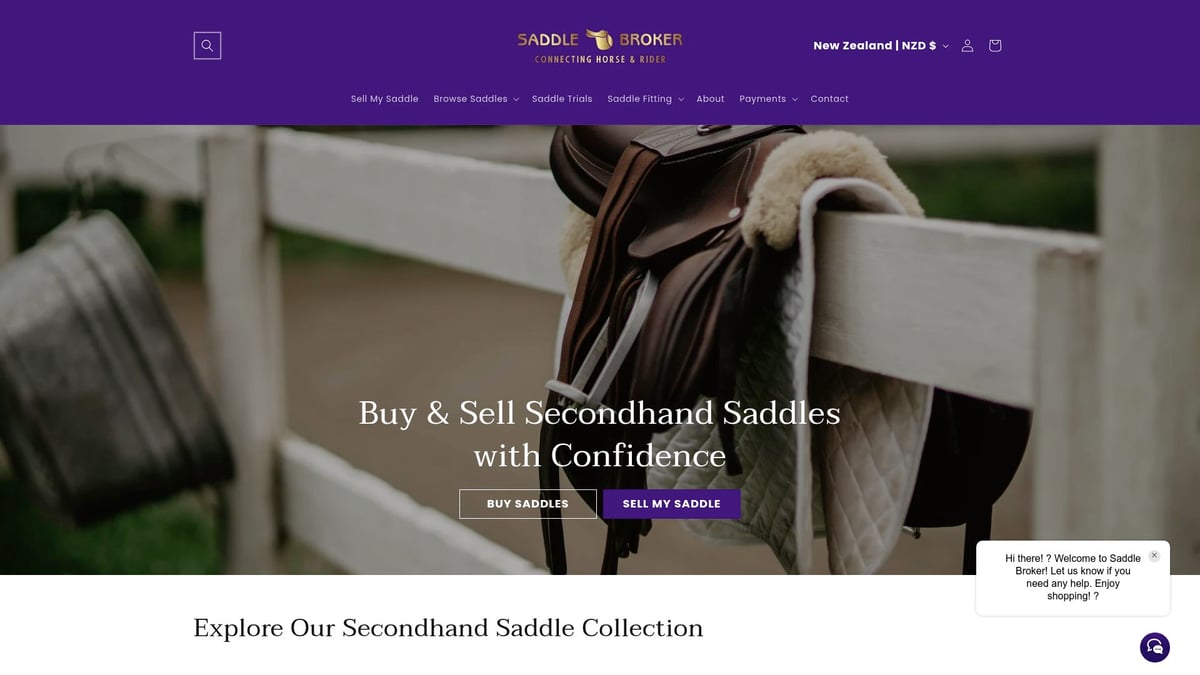
If you want step-by-step guidance on how to list and maximize your saddle’s value, read their How to Sell Your Saddle page. Sellers consistently report faster sales and less hassle using this broker, thanks to their full-service approach and strong reputation in the equestrian community.
Social Media and Equestrian Groups
Social media platforms have become essential for those wanting to sell my saddle quickly. Facebook Groups, Instagram, and online equestrian forums provide instant access to thousands of potential buyers. Discipline-specific groups are particularly useful for targeting the right audience, such as dressage or jumping saddles.
When using social media, always follow safety best practices. Meet in safe, public places or use secure payment methods. Respond promptly to inquiries, share clear photos, and be wary of scams. The reach and speed of social platforms can significantly boost your chances of a fast sale.
Auction Platforms and Specialty Sites
Auction platforms and specialty websites offer another avenue to sell my saddle, especially for rare or luxury models. Auctions can lead to quick sales, as listings are time-limited and attract competitive bidding. However, you may have less control over the final price, and fees can vary.
Specialty sites cater to high-end or unique saddles, drawing buyers who know exactly what they want. Before choosing this route, research the platform’s reputation, fee structure, and past sale results. This ensures your saddle is presented to the right buyers and sold at a fair value.
Pricing Your Saddle for a Fast Sale
Setting the right price is one of the most important steps when you decide to sell my saddle. Accurate pricing attracts serious buyers and helps your listing stand out. By understanding current market trends and buyer expectations, you can maximize your chances for a quick and profitable sale.
Researching Comparable Listings
Start by studying current marketplace listings for saddles similar to yours. Focus on brand, model, age, and condition to find true comparables. Use search filters and sort by recently sold items for the most up-to-date data.
Create a simple table to compare features:
| Feature | Your Saddle | Comparable 1 | Comparable 2 |
|---|---|---|---|
| Brand/Model | [Your Details] | [Details] | [Details] |
| Condition | [Your Details] | [Details] | [Details] |
| Price | [Your Details] | [Details] | [Details] |
| Accessories | [Your Details] | [Details] | [Details] |
This process ensures your sell my saddle strategy is based on real-world evidence, not just gut feeling. For more actionable advice, see these Second Hand Saddle Selling Tips.
Factoring in Brand, Condition, and Extras
When you plan to sell my saddle, remember that certain brands consistently command higher prices. Saddles from Stubben, Bates, and Wintec, for example, tend to retain value better than lesser-known brands.
Consider the saddle’s age, any recent repairs, and whether accessories like stirrups or girths are included. Listings that feature extra items typically sell 25% faster. Always highlight these extras in your listing, as they add value and attract more attention from potential buyers.
Setting a Competitive Yet Profitable Price
To sell my saddle quickly and at a fair price, start slightly above your minimum acceptable amount. This gives you room to negotiate while still appealing to buyers. Avoid emotional pricing and rely on market data instead.
If your listing receives little interest after two weeks, consider a modest price reduction. This strategy keeps your sell my saddle listing active and visible without sacrificing too much profit. Remember, flexibility is key to moving your saddle faster in a competitive market.
Handling Offers and Negotiations
Respond promptly and professionally to all inquiries when you aim to sell my saddle. Be prepared to answer questions about fit, shipping, and payment options. Know your minimum price in advance so you can negotiate confidently without making hasty decisions.
Accept, counter, or decline offers based on your research and goals. Quick, clear communication reassures buyers and speeds up the sale process. Keeping records of all conversations helps protect both parties and ensures a smooth transaction.
Creating a Winning Listing
A standout listing is essential if you want to sell my saddle quickly and for the best price. Your listing is your first impression, so take time to get every detail right. With the right approach, you can attract more buyers and inspire greater confidence in your offer.
Essential Listing Components
Every successful "sell my saddle" listing should include a clear and informative title, accurate brand and model, seat and gullet size, condition, and a fair price. Be sure to list your contact information, fit advice, and trial or return policies. Here is a quick checklist:
| Component | Details/Example |
|---|---|
| Title | 2020 Bates Dressage 17.5" Adjustable Gullet |
| Brand/Model | Bates Dressage, Wintec 500, Stubben Roxane |
| Size | Seat: 17.5", Gullet: Medium Wide |
| Condition | Excellent, Minor Flaws, Professionally Cleaned |
| Price | $1,200 negotiable |
| Contact Info | Email or phone number |
| Fit Advice | Suitable for high-wither horses, average riders |
| Trial Policy | 7-day trial, return accepted in original condition |
Including all these details not only makes your listing more attractive but also prevents confusion and delays. For more tips on accurate listings and what to avoid, see The Do's and Don'ts of Buying Used Saddles and Tack On Facebook, Ebay and Tack Trader.
Writing for Search and Visibility
If your goal is to sell my saddle fast, you must optimize your listing for search. Use specific keywords buyers are likely to use, such as brand, discipline, and size, in both your title and description. Tag your listing with relevant categories and subcategories, like "dressage saddle" or "17.5 inch seat," to improve visibility.
Listings with optimized titles and detailed descriptions appear higher in search results, drawing more attention from serious buyers. Including searchable terms and clear categories helps your saddle stand out in crowded marketplaces. This small step can have a big impact on how quickly you get inquiries and ultimately sell.
Building Trust with Buyers
Trust is critical when you want to sell my saddle online. Offer proof of authenticity, such as clear photos of serial numbers, original receipts, or recent fit assessments. Flexible payment and trial options, like PayPal or a 7-day trial period, reassure buyers and reduce their perceived risk.
Consider adding testimonials from previous buyers or references from reputable equestrian professionals. These elements show that you are a reliable seller and make buyers more comfortable proceeding with the transaction. The more confidence you inspire, the faster and smoother your sale will be.
Responding to Buyer Questions Effectively
Prompt, clear communication sets your "sell my saddle" listing apart. Prepare to answer common questions about fit, shipping, returns, and condition. Respond politely and thoroughly, addressing each inquiry as soon as possible.
Fast replies not only increase buyer confidence but also speed up the selling process. Keep a record of all communications for reference and maintain a professional tone throughout. This approach will help turn interested shoppers into satisfied buyers, ensuring a positive experience for everyone involved.
Managing the Sale: Safe Payments and Shipping
Navigating payment and shipping is crucial when you want to sell my saddle quickly and securely. Careful planning ensures you avoid costly mistakes and build buyer trust from the start.
Secure Payment Methods
Choosing the right payment method is essential to protect both seller and buyer. When you sell my saddle online, prioritize secure services like PayPal, direct bank transfer, or reputable escrow platforms. These options offer tracking, dispute resolution, and reduce fraud risk by up to 70 percent.
Avoid accepting cash, checks, or money orders, as these methods are more susceptible to scams. Always verify the buyer’s identity and confirm funds have cleared before shipping. For those using consignment or broker services, payment is typically managed on your behalf, adding another layer of security. To better understand how brokers handle transactions and safeguard your sale, see Consignment Saddle Sales Explained.
Shipping and Insurance Best Practices
Proper packaging is vital when you sell my saddle to ensure it arrives safely. Use a sturdy box with ample padding to protect the saddle’s tree and panels. Wrap all leather parts in soft material to prevent scratches.
Select a reputable courier that offers tracking and signature on delivery. This helps you and the buyer monitor the shipment’s progress. Always insure the saddle for its full value against loss or damage during transit. Retain all shipping receipts and insurance documentation in case you need to file a claim. These steps reassure buyers and protect your investment.
Handling Trials and Returns
Offering a trial period can help sell my saddle faster, as buyers gain confidence knowing they can assess fit and condition. Clearly outline the trial duration—7 days is standard—and specify the buyer’s responsibilities for care and return shipping.
Establish return terms in writing. Require the saddle be returned in original condition, and consider taking detailed photos before shipping. Communicate expectations about refunds, damage, or late returns upfront. A transparent trial and return policy reduces disputes and encourages serious buyers to move forward with your listing.
Finalizing the Transaction
Before you ship, always confirm you have received full payment for the sell my saddle transaction. Double-check with your payment provider or broker service to ensure funds are clear and secure.
Once payment is verified, promptly provide the buyer with tracking information and care instructions for their new saddle. After successful delivery, request feedback or a review to boost your reputation for future sales. Keeping thorough records of every step helps you resolve any issues and sets the stage for a smooth, professional closing.
Expert Tips to Maximize Your Saddle’s Value and Speed
Ready to maximize your success when you decide to sell my saddle? With the right approach, you can increase value, attract more buyers, and speed up your transaction. Here are four expert-backed strategies to ensure you stand out in the 2025 saddle market.
Timing Your Sale for Best Results
Choosing the right moment to sell my saddle can make all the difference. Demand for quality saddles peaks before show season, typically in spring and early summer, as riders prepare for competitions. Listing your saddle during these high-activity periods often results in more inquiries and better offers.
Pay attention to major equestrian events or holidays, as buyer interest surges around these times. According to Horse Saddle Market Size & Share Trends, 2033, the market for horse saddles continues to grow, which means well-timed listings are more likely to attract serious buyers. Planning your sale around these trends can help you achieve a faster, more profitable outcome.
Upgrading and Bundling for Added Appeal
Bundling is a proven way to add value and help you sell my saddle more efficiently. Offering matching leathers, girths, or a saddle cover as a package can make your listing stand out from the competition. Buyers often perceive bundled deals as offering better value, leading to more inquiries and quicker sales.
Consider offering a small discount when buyers purchase multiple items together. This not only increases the perceived value but also helps clear out unused tack. Highlight the condition and compatibility of any extras in your listing, and use clear photos to showcase bundled items. Small upgrades and thoughtful bundling can tip the scales in your favor.
Leveraging Professional Appraisals
A professional appraisal is a powerful tool if you want to sell my saddle with confidence. An expert evaluation provides an unbiased estimate of your saddle’s market value, which builds trust with potential buyers and helps justify your asking price. Appraisals are especially important for high-end or custom saddles where buyers may be cautious about authenticity and condition.
You can obtain an appraisal through local saddle fitters, reputable consignment brokers, or specialized online services. Including a copy of the appraisal certificate in your listing can set your saddle apart. This extra documentation reassures buyers and can lead to a quicker sale at your target price.
Avoiding Common Pitfalls for Fast, Safe Sales
Awareness of common mistakes is essential when you sell my saddle. Stay vigilant for scams by verifying buyer information and using secure payment platforms. Keep a record of all communications and agreements to protect both parties throughout the transaction.
Review buyer feedback or ratings if you are using an online marketplace. Rely on expert advice, such as the tips found in Mastering the Art of Saddle Sales: Pro Tips for Success, to avoid pricing errors, incomplete listings, or delays in response. By following these guidelines, you can ensure a safe, smooth, and successful selling experience.
As you prepare to list your saddle and navigate the 2025 market, remember that offering buyers a chance to try before they buy can make all the difference. Giving riders confidence in fit and comfort often leads to faster, more secure sales—something we’ve highlighted throughout this guide. If you want to provide a seamless, trustworthy experience that stands out in a crowded marketplace, consider taking advantage of Saddle Trials. This simple step not only increases buyer trust but also helps ensure a smooth and rewarding transaction for everyone involved.