
Sell Saddle Guide: Expert Tips for a Successful Sale 2026
Thinking about how to sell saddle in 2026? The market for quality secondhand saddles is thriving, offering you an excellent opportunity for both profit and a smooth transaction. With the right approach, you can make the process straightforward and rewarding.
This expert-backed guide walks you through every step, from preparing your saddle for sale and determining its value, to selecting the most effective selling platform, creating standout listings, negotiating confidently, and ensuring safe payment and shipping.
As demand rises, a well-prepared sale can help you maximize your return. Follow each step for actionable, up-to-date strategies that will help you achieve the best results.
Step 1: Preparing Your Saddle for Sale
Preparing your saddle for sale is the crucial first step to attract serious buyers and maximize value. A well-presented saddle not only commands a higher price, but also helps you sell saddle more quickly and with less hassle. Let’s break down how to make your saddle stand out from the competition.
Cleaning and Restoring Your Saddle
First impressions count. A spotless, well-maintained saddle is far more appealing to buyers, so thorough cleaning is essential when you want to sell saddle. Begin by removing all dust and surface debris with a soft brush or dry cloth. Next, use a gentle leather cleaner to remove grime, followed by a quality leather conditioner to restore suppleness. Finish with a polish if the leather type allows.
Address minor damage before listing. Check for loose stitching, worn billets, or cracked keepers. Simple repairs, such as tightening screws or replacing billets, can often be done at home with basic tools. For more significant issues, consider professional repair. Professionally cleaned and restored saddles tend to sell saddle up to 20% faster, according to Saddle Bank data.
Deciding between DIY and professional cleaning comes down to your budget and the saddle’s value. DIY cleaning is cost-effective and ideal for standard saddles in good condition. However, investing in professional cleaning can be worthwhile for high-end models, as it often results in a quicker sale and higher price.
When photographing your saddle, ensure it’s in a well-lit area with a neutral background. Capture multiple angles: seat, panels, billets, serial number, and any areas of wear or repair. High-quality photos are proven to boost buyer interest. For more on what buyers look for during inspection, consult these tips for buying a used saddle.
Documenting Your Saddle’s Details
Accurate documentation builds trust and increases inquiries when you sell saddle. Start by recording the serial number, brand, model, year of manufacture, and country of origin. This information helps verify authenticity and reassures buyers.
Measure the seat size (in inches), gullet width, and flap length using a flexible tape measure. Double-check all measurements for accuracy, as buyers often search for specific fits. If you have the original proof of purchase, warranty papers, or service records, include them in your listing. Listings with full documentation receive 30% more buyer interest, according to industry data.
Highlight any custom features or modifications, such as special panels, upgraded leather, or unique stitching. Use a checklist to ensure no detail is missed:
- Brand, model, and year
- Serial number and authenticity marks
- Seat size, gullet width, flap length
- Proof of purchase or service history
- Custom features or repairs
Thorough documentation helps your saddle stand out and makes it easier to sell saddle with confidence. Buyers are more likely to trust a listing that is transparent and detailed, leading to more inquiries and smoother transactions.
Step 2: Determining Your Saddle’s Value
Accurately valuing your saddle is an essential step when you plan to sell saddle in 2026. Setting the right price not only attracts serious buyers but also ensures you maximize your return. Taking the time to research and, if needed, seek professional input will position your listing for a successful sale.
Researching Market Value
To begin, compare your saddle with similar models on major platforms like Saddle Bank, eBay, and Teskey’s. Look at factors such as brand reputation, age, condition, and any recent servicing. Well-known brands often hold their value longer; for example, high-end names like Bates and Albion can retain 60 to 70 percent of their original price.
Review recent sales data from 2024 to 2026 to spot current price trends. Pay attention to the demand for specific types, such as dressage, jump, general purpose, or pony saddles. If you want a comprehensive view of available brands and models, the Comprehensive Saddle Collections Overview can help you identify comparable listings for your research.
Consider creating a comparison table for reference:
| Factor | Impact on Value | Example |
|---|---|---|
| Brand | High | Albion, Bates, Stubben |
| Condition | Moderate to High | Recently serviced |
| Age | Moderate | Less than 5 years old |
| Type | High | Dressage, jump, GP, pony |
When you sell saddle, factoring in these elements will support an accurate, competitive price. Remember, listings that are priced within 10 percent of the market average typically receive more buyer interest and inquiries.
Getting a Professional Valuation
There are situations where seeking a professional valuation is the smartest move, especially if you plan to sell saddle that is rare, high-value, or custom-made. An expert appraisal offers an unbiased assessment, considering nuanced details such as leather quality, fit, and any unique features that might otherwise be overlooked.
A professional valuation generally involves a thorough inspection, measurements, and documentation review. Costs can vary, but are often a small percentage of your expected sale price. Many sellers find that the investment pays off, as a formal report can justify your asking price and reassure potential buyers.
When you sell saddle with a valuation report, you can confidently answer buyer questions and reduce negotiation time. In fact, sellers who use professional appraisals often experience faster transactions and greater peace of mind. Remember to keep all paperwork, including the valuation report, accessible for buyers to review.
If you are unsure whether your saddle requires an appraisal, consider factors like rarity, brand, or significant custom modifications. When in doubt, consulting an expert can help you avoid undervaluing your asset and support a smoother sale.
Step 3: Choosing Where to Sell Your Saddle
Deciding where to sell saddle is one of the most important steps in achieving a smooth, profitable sale. The right platform can impact your speed of sale, exposure to potential buyers, and final price. Let’s compare the main options available in 2026 so you can make an informed decision.
Online Marketplaces
Online platforms are often the first choice for those looking to sell saddle efficiently. Dedicated saddle sites like Saddle Bank and Teskey’s provide targeted audiences and equestrian-specific features, while general platforms such as eBay and Facebook Marketplace offer high traffic and broader reach.
| Platform Type | Pros | Cons |
|---|---|---|
| Dedicated Saddle Sites | Trusted buyers, faster sales, fewer disputes | Fees, may limit international reach |
| General Marketplaces | Large audience, flexible pricing | More competition, variable buyer protection |
Specialized saddle marketplaces report faster sales and fewer disputes compared to generic platforms. Fees, shipping policies, and buyer protection levels vary, so always review terms before listing. International selling can expand your buyer pool but requires careful attention to shipping costs and customs regulations. For a deeper dive into the pros and cons of each method, see Selling Used Horse Saddles Online.
Tack Shops and Trade-In Programs
Local tack shops and trade-in programs offer another reliable way to sell saddle. Consignment involves leaving your saddle with a shop, which handles marketing and sales for a commission. Timelines are generally longer than direct sales, but shops attract serious buyers and provide professional advice.
Some tack shops offer instant buyouts or part-exchange deals, making it easy to upgrade your equipment. Be sure to ask about commission rates, payout schedules, and any included services like cleaning or minor repairs. For those wanting a hands-off experience, this route can be both convenient and secure. Instant buyout options can be especially appealing if you need to sell saddle quickly.
Community and Social Media Groups
Riding clubs, local equestrian groups, and social media platforms like Facebook are increasingly popular places to sell saddle. These communities foster trust and often connect you with buyers in your region, reducing shipping costs and risks.
When selling through these channels, always vet potential buyers and arrange to meet in safe, public locations. Provide clear photos and documentation to build confidence. According to a 2025 Saddle Bank report, Facebook equestrian groups now account for 25 percent of used saddle sales in the UK. With the right approach, you can sell saddle quickly while supporting your local equestrian network.
The Saddle Broker: Hassle-Free Selling Solution
For sellers in New Zealand and Australia, The Saddle Broker offers a comprehensive service designed to simplify the process to sell saddle. They manage valuation, professional photography, advertising, and all buyer inquiries, allowing you to focus on your riding.
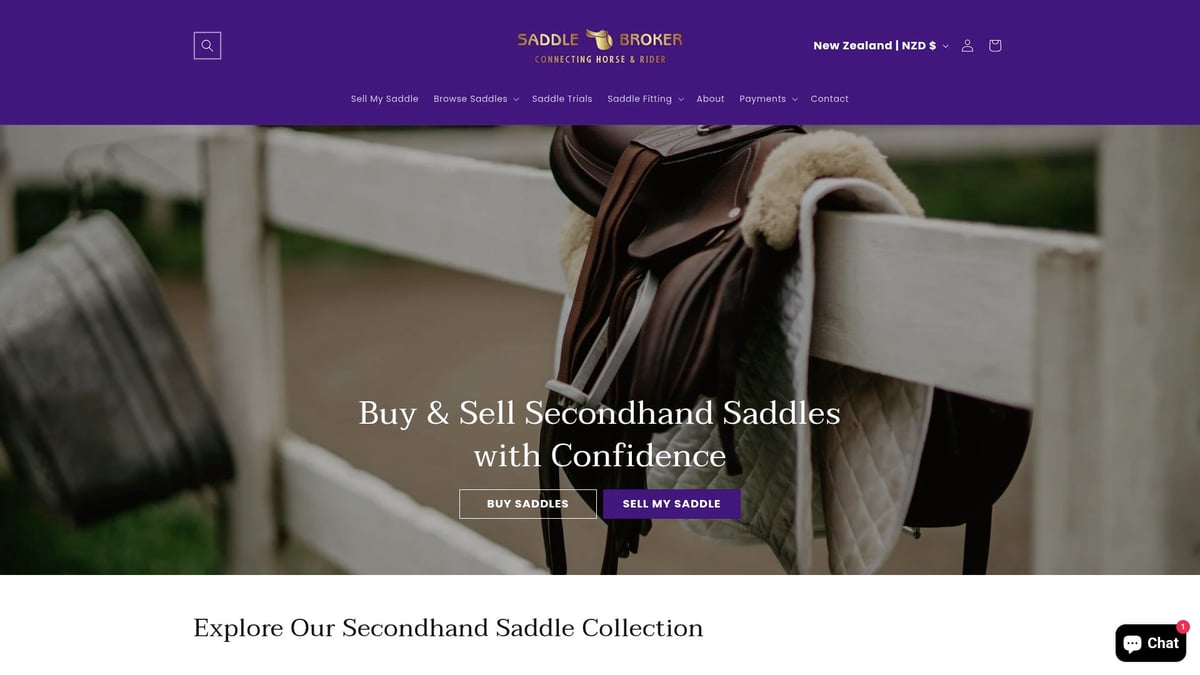
Buyers benefit from a 7-day trial policy, and sellers receive guaranteed payment after the trial ends. With nationwide courier and insurance coverage, your transaction is protected from start to finish. Flexible payment and financing options attract a wider pool of buyers, increasing your chances to sell saddle at the best price. Transparent pricing and dedicated support ensure satisfaction. Many users report higher satisfaction and reduced time-to-sale when working with The Saddle Broker.
Step 4: Creating an Effective Saddle Listing
A standout saddle listing is your ticket to a faster, more profitable sale. To successfully sell saddle online or locally, you need clear descriptions, eye-catching photos, and a smart pricing strategy. Here, we break down each element of an effective listing to help you attract serious buyers and maximize your return.
Crafting a Compelling Description
A well-written description builds trust and draws in motivated buyers. Start with the basics: brand, model, seat size, gullet width, flap length, and year of manufacture. Be honest about the saddle’s condition, noting any wear, repairs, or customizations. Highlight unique selling points, such as recent professional servicing, included accessories, or adjustable features.
Use keywords buyers are searching for. For example, “17.5 Albion K2 Dressage Saddle Wide fit, excellent condition, includes original cover.” This approach improves your listing’s visibility in search results, which is essential when you want to sell saddle quickly.
Listings with full documentation—like serial numbers and proof of purchase—receive more inquiries. For more detailed advice on listing safety and best practices, check out 10 Tips for Buying and Selling Used Gear Online.
Taking High-Quality Photos
Photos are your first impression. Clean and restore your saddle before the shoot, as a spotless appearance attracts more buyers. Use natural light or bright indoor lighting to reduce shadows, and choose a neutral background that keeps the focus on the saddle.
Capture these essential angles:
- Seat (top view)
- Panels (underside)
- Billets and girth straps
- Serial number or maker’s plate
- Any wear, repairs, or distinguishing features
Take close-ups of unique details or imperfections. Listings with at least six clear photos tend to sell saddle up to 40% faster, according to Teskey’s internal data. Always check that images are sharp and color-accurate before uploading.
Setting the Right Asking Price
Pricing your saddle correctly is key to attracting buyers and closing the deal. Research recent sales of similar saddles by brand, model, and condition. Decide whether to use a fixed price, allow for negotiation, or try an auction format.
When you sell saddle, set your asking price within 10% of the current market average. This strategy generates more interest and signals that you understand the market. Leave a small margin for negotiation but know your minimum acceptable amount before listing.
Consider highlighting your willingness to negotiate in the listing to invite reasonable offers. Being transparent about price expectations can speed up the process and reduce haggling, helping you sell saddle efficiently and with confidence.
Step 5: Managing Inquiries and Negotiations
Handling inquiries and negotiations is a crucial phase when you sell saddle online or in person. How you communicate and respond during this step can make the difference between a swift, successful sale and a missed opportunity. Effective management not only builds buyer trust but also streamlines the entire selling process.
Responding to Buyer Questions
Prompt, professional communication is essential when you sell saddle to potential buyers. Responding quickly shows reliability and keeps interested buyers engaged. Aim to reply within 24 hours, as sellers who do so are 50% more likely to finalize a deal.
Buyers often request extra photos, precise measurements, or clarification on the saddle’s fit and condition. Prepare this information in advance to save time. Address questions about return policies clearly, since transparency reduces misunderstandings and increases buyer confidence.
Here are some quick-response tips:
- Organize your saddle’s details and images before listing.
- Use polite, concise language in every message.
- Offer additional views or documentation as needed.
If you want to stay current with best practices, check out the Latest News and Tips for Sellers for more insights.
Handling Negotiations
Negotiations are a standard part of the process when you sell saddle, so be ready with a minimum price in mind before offers begin. This helps you avoid making snap decisions under pressure.
When counter-offering, remain polite and professional. If a buyer’s offer is close to your ideal price, highlight the saddle’s value—mention recent servicing, quality, or included accessories. If you receive a low offer, respond courteously and restate your asking price with supporting reasons.
Negotiation strategies to consider:
- Set your minimum acceptable price in advance.
- Be willing to answer questions about the price rationale.
- Use recent sales data to justify your value.
Remember, clear and timely communication can shorten negotiation time and improve outcomes.
Arranging Saddle Trials
Offering a trial period is an effective way to boost buyer confidence when you sell saddle. A 7-day trial is standard and has been shown to increase sales conversion rates. Clearly outline the terms, such as deposit amount, liability for damage, and return procedures.
To manage trials smoothly:
- Require a refundable deposit before shipping or handing over the saddle.
- Agree on a written trial agreement that covers responsibilities.
- Specify the return timeframe and condition requirements.
Providing a fair trial period demonstrates trustworthiness and helps serious buyers commit. This extra step can lead to faster, more secure transactions for both parties.
Step 6: Securing Payment and Shipping Safely
Selling your saddle online is more rewarding when your payment and shipping processes are secure and efficient. As the Horse Saddles and Tacks Market Size and Growth report shows, increased market activity means sellers must be vigilant about safe transactions. Following these steps helps you sell saddle confidently while protecting your investment.
Safe Payment Methods
Choosing the right payment method is essential when you sell saddle to someone you have not met before. Trusted options include:
- PayPal: Offers buyer and seller protection, but always verify the buyer’s account and transaction details.
- Bank Transfer: Reliable for local deals, but confirm payment clears before shipping.
- Escrow Services: Hold funds until both parties are satisfied, ideal for high-value transactions.
Be alert for scams. Watch for unusual requests, such as overpayments or buyers insisting on rush shipping. In 2025, online payment scams for equestrian sales rose by 15 percent, making vigilance crucial. Always keep records of your communications and payment confirmations. Setting clear expectations upfront will help you sell saddle safely and avoid common pitfalls.
Packing and Shipping Your Saddle
Once payment is secure, preparing your saddle for shipment is the next key step. Proper packing protects your investment and ensures buyer satisfaction when you sell saddle.
Step-by-step packing guide:
- Clean and dry the saddle thoroughly.
- Use bubble wrap or foam to protect vulnerable areas.
- Place the saddle in a sturdy, appropriately sized box.
- Fill gaps with packing material to prevent movement.
- Seal the box securely with strong tape.
Choose a courier with insurance coverage and provide tracking information to your buyer. Confirm the delivery address before dispatching. Promptly sharing tracking details builds trust and streamlines your sell saddle process. Reliable shipping reduces the risk of disputes and ensures a positive experience for both parties.
Handling Returns and Disputes
Clear return policies are vital for anyone looking to sell saddle online. Specify your terms in the listing, including timeframes, condition requirements, and who covers return shipping.
Tips for minimizing disputes:
- Document the saddle’s condition with detailed photos before shipping.
- Communicate proactively with buyers at each stage.
- Respond quickly to concerns and keep records of all correspondence.
According to Saddle Bank surveys, transparent policies can reduce disputes by 30 percent. Handling issues fairly and professionally not only protects your current transaction but also strengthens your reputation for future sell saddle opportunities.
Step 7: Maximizing Your Sale and Avoiding Common Pitfalls
Selling your saddle is more than just finding a buyer. To truly maximize your sale and avoid common pitfalls, you need strategy, timing, and attention to detail. By following these expert-backed steps, you can confidently sell saddle and enjoy a smooth, profitable transaction.
Timing Your Sale for Maximum Value
When you sell saddle, timing can have a big impact on price and buyer interest. The best periods are often just before the main riding seasons, such as early spring and late summer. During these times, demand surges as riders prepare for new events or upgrade equipment.
Consider this simple table for seasonal trends:
| Season | Buyer Activity | Suggested Action |
|---|---|---|
| Spring | High | List for maximum exposure |
| Summer | Moderate | Target active riders |
| Autumn | High | Appeal to returning riders |
| Winter | Low | Focus on upgrades |
For maximum value, monitor local events and holidays. List your saddle when activity peaks, as this is when buyers are most motivated and willing to pay closer to your asking price.
Upgrading and Part-Exchange Opportunities
If you plan to upgrade, explore trade-in or part-exchange programs at tack shops or online marketplaces. These options allow you to sell saddle and offset the cost of your next purchase, making the process seamless.
Some shops offer instant buyout or part-exchange deals, saving you up to 15% on your new saddle. This approach is especially useful if you want to avoid the wait and uncertainty of a private sale. Always compare the trade-in offer to current market values to ensure you receive a fair deal.
Avoiding Common Mistakes
Many sellers lose value or face delays due to avoidable errors. To sell saddle successfully, steer clear of these common pitfalls:
- Overpricing or underpricing your saddle, which can deter buyers or reduce your return.
- Incomplete or misleading listings that fail to highlight key features or condition.
- Ignoring buyer questions or delaying responses, which erodes trust and slows the sale.
- Failing to insure shipments or use secure payment methods, exposing you to financial loss.
For guidance on accurately describing your saddle’s features and fit, refer to How to Choose the Right Saddle. A clear, detailed listing reduces confusion and increases buyer confidence.
Legal and Ethical Considerations
When you sell saddle, always represent its condition and history honestly. Misrepresentation can lead to returns, refunds, or even legal disputes. Ensure you comply with local regulations regarding private sales, including disclosures and documentation.
If your saddle has had repairs, modifications, or custom features, state these upfront. Transparency fosters trust and avoids misunderstandings. Inaccurate listings can quickly damage your reputation and result in negative feedback from buyers.
Building Your Seller Reputation
A strong reputation is a powerful asset when you sell saddle. Collect feedback and testimonials from satisfied buyers. Positive ratings help boost your credibility and attract more interest for future sales.
Repeat sellers with high ratings can command up to 10% higher prices. Take time to answer questions, resolve issues professionally, and follow through on promises. Over time, your reputation will set you apart in the competitive secondhand market.
Reinvesting in Your Riding Journey
The proceeds from your sale offer new opportunities. Whether you upgrade your tack, invest in lessons, or purchase new riding gear, the cycle continues when you sell saddle. Staying active in the equestrian community by buying and selling helps you connect with others, learn, and grow as a rider.
By following these strategies, you not only maximize your sale but also support your ongoing passion for riding.
After exploring these proven steps for preparing, valuing, and marketing your saddle, you’re well equipped to set yourself up for a smooth and successful sale. Remember, one of the best ways to boost buyer confidence and finalize your deal is by offering a trial period—something that not only reassures buyers but often speeds up the process. If you’re ready to take the next step and make your sale even more attractive, learn more about how to offer Saddle Trials and give potential buyers peace of mind while safeguarding your interests.