
The Saddle Shop Guide: Expert Insights for 2025
Discover how the saddle shop experience is transforming in 2025, where timeless craftsmanship meets the latest technology. The right saddle is more than equipment—it is the foundation of comfort and performance for every rider and horse.
This guide to the saddle shop provides expert insights and actionable strategies for equestrians, horse owners, and trainers. Whether you are looking to buy, sell, or upgrade, you will find the latest trends, fit essentials, and shopping tools to make informed decisions.
Explore saddle types, fitting science, modern shopping methods, and cutting-edge innovations. Gain the confidence to navigate the saddle shop landscape with knowledge, clarity, and expert-backed advice.
Understanding Saddle Types and Their 2025 Innovations
Choosing the right saddle is central to the experience at the saddle shop, especially as 2025 brings a new wave of innovation and choice. Today’s riders demand more than tradition—they expect cutting-edge technology, eco-conscious materials, and tailored solutions for every discipline. Understanding what is new in saddle design ensures you can make informed decisions and invest in equipment that meets the evolving needs of both horse and rider.
Dressage, Jump, GP, and Pony Saddles: What’s New?
The core categories—dressage, jump, general purpose (GP), and pony saddles—remain the backbone of the saddle shop’s offering. Each is designed for a specific riding style, but in 2025, these classics are seeing remarkable evolution.
Modern dressage saddles now feature advanced ergonomic panels and deeper seats, offering improved rider alignment and enhanced horse comfort. Jump saddles have adopted lighter, stronger composite materials, while GP saddles are increasingly hybridized for versatility across disciplines. Pony saddles benefit from scaled-down technology and adjustable features, making them ideal for young riders and growing ponies.
A major trend is the surge in lightweight, eco-friendly options. Industry reports show a 15% year-over-year increase in sustainable saddle sales, driven by biodegradable leathers, recycled components, and plant-based padding. Brands are integrating sustainability into every aspect, from closed-loop production to minimal-waste packaging.
Tree technology is also advancing rapidly. Adjustable gullet systems, now standard in many leading brands, allow riders to fine-tune fit as the horse changes shape over time. This not only extends saddle lifespan but also supports horse welfare and rider performance.
Hybrid saddles, designed for multi-discipline use, are gaining traction in the saddle shop. These models blend the deep seat of dressage saddles with the forward flap of jump saddles, catering to riders who train across various disciplines. Rider feedback, collected through digital platforms and in-person trials, has significantly influenced these design improvements.
For an in-depth look at the main types and their latest features, the Dressage, jump, and GP saddles collection provides a valuable resource for exploring current options.
Emerging Niche Saddles and Customization Trends
Beyond the mainstream, the saddle shop is seeing strong growth in custom-fit and niche saddles. Para-equestrian and endurance riders, in particular, are driving demand for designs that address specialized needs. Custom saddle orders are projected to increase by 12% in 2025, reflecting a broader shift toward personalization.
Modular saddle systems are a standout innovation. Riders can now swap out panels, flaps, or seats to adapt the saddle for different horses or disciplines. Interchangeable components make it possible to maintain optimal fit as horses mature or their training regimens change.
3D scanning and printing technologies are revolutionizing how saddles are personalized. A rider’s measurements and a horse’s unique contours can be captured digitally, resulting in a saddle that fits with unmatched precision. This technology is making custom solutions more accessible and affordable at the saddle shop, leveling the playing field for amateur and professional riders alike.
Investing in a tailored saddle is not just about luxury—it is about performance and welfare. Studies show that a well-fitted, personalized saddle supports better movement, reduces the risk of pressure points, and enhances communication between horse and rider. For those with hard-to-fit horses or unique requirements, these advanced customization options can be a game changer.
As we move into 2025, the saddle shop stands at the intersection of tradition and innovation. Whether you are seeking the latest in sustainable materials or a bespoke fit for a challenging discipline, understanding these trends ensures you are equipped to make the best choice for your riding journey.
The Science of Saddle Fit: Ensuring Comfort and Performance
Selecting the right saddle is more than a matter of style or preference. At the heart of every successful ride lies the science of saddle fit. For anyone visiting the saddle shop in 2025, understanding the mechanics of fit is crucial for protecting your horse’s health and optimizing your performance.
Anatomy of a Well-Fitted Saddle
A well-fitted saddle is built on four pillars: tree width, panel contour, seat depth, and flap length. Each element must align with both the horse’s and rider’s anatomy. The tree width should match the horse’s withers and shoulders, ensuring that the saddle sits evenly and does not pinch. Panel contour distributes the rider’s weight, while seat depth and flap length cater to riding discipline and leg position.
| Fit Element | Purpose | Impact on Comfort |
|---|---|---|
| Tree Width | Aligns with withers/shoulders | Prevents pinching or rocking |
| Panel Contour | Distributes weight evenly | Reduces pressure points |
| Seat Depth | Supports rider’s pelvis | Affects balance and security |
| Flap Length | Matches leg position/disciplines | Enhances rider communication |
The importance of correct fit cannot be overstated. Veterinary studies reveal that poor saddle fit is linked to 68% of equine back pain cases. Within the saddle shop environment, both comfort and communication between horse and rider directly depend on this fit. Misfit saddles can lead to sore backs, hollowing, resistance, or even behavioral changes.
Common fit issues include bridging (where the saddle rocks), pinching at the withers, and excessive movement. Warning signs are visible: uneven sweat marks, sore spots, reluctance to be saddled, or changes in gait. Riders may also notice discomfort or difficulty maintaining position.
Professional saddle fitters have become essential partners for the saddle shop. In 2025, most fitters use advanced tools such as digital pressure-mapping and 3D scanning, offering mobile fitting services directly at stables. Their expertise ensures saddles align with both equine biomechanics and rider needs. For a deeper dive into these essentials, consult this understanding saddle fitting guide.
A recent case study highlights the value of modern technology. A competitive rider struggled with persistent back soreness in her horse. Through pressure-mapping analysis, the fitter identified uneven pressure points. Adjustments to the saddle tree and flocking resolved the issue, restoring both comfort and performance for the pair.
Fitting for Young, Growing, or Hard-to-Fit Horses
Fitting saddles for ponies, youngsters, or horses with asymmetrical backs presents distinct challenges. The saddle shop frequently encounters cases where standard models simply do not accommodate fluctuating shapes or unique conformations.
Young and growing horses change shape rapidly, which means that a saddle fitting perfectly today may cause discomfort in just a few months. Similarly, horses with muscle asymmetry or high withers require specialized solutions.
Modern innovations, such as adjustable saddles and shims, have transformed the way the saddle shop approaches these cases. Adjustable gullet systems have become especially popular among pony owners, allowing for quick width modifications as horses mature or change condition. Flexible panel systems and modular components are also gaining traction, providing tailored support for hard-to-fit horses.
To ensure ongoing comfort, it’s vital to reassess fit regularly—ideally every six months or after significant changes in workload or condition. Riders should look for subtle cues: changes in behavior, uneven sweat marks, or shifting saddle position. The saddle shop recommends partnering with a qualified fitter for periodic checks and leveraging trial programs for growing or special-needs horses.
By staying proactive and embracing these modern solutions, both horse and rider can enjoy a comfortable, high-performing partnership, no matter how unique the fitting challenge.
Navigating the Modern Saddle Shop Experience
The world of the saddle shop is rapidly evolving, blending time-honored expertise with digital convenience. Whether you are a first-time buyer or a seasoned equestrian, understanding the modern landscape of saddle shopping is essential for making smart, confident decisions. Let us explore how the saddle shop experience has changed, what you can expect in 2025, and how to make the most of every option available.
In-Store vs. Online Saddle Shopping: Pros, Cons, and Key Differences
The saddle shop now spans both brick-and-mortar stores and expansive online marketplaces. Each approach offers unique benefits and challenges. In-store visits provide hands-on trials and personalized advice, while online shopping brings access to a broader selection and greater convenience.
Here is a quick comparison:
| Feature | In-Store Saddle Shop | Online Saddle Shop |
|---|---|---|
| Try-before-you-buy | Yes | Sometimes (with trial) |
| Expert fitting | Immediate, in-person | Virtual, less hands-on |
| Selection | Limited by location | Wide, global |
| Return policies | Often flexible | Varies, check details |
| Security & authenticity | High | Varies, risk of fakes |
| After-sales support | Direct and ongoing | Depends on platform |
Industry data shows online saddle sales have risen 25% since 2022, yet 60% of riders still prefer in-person fittings. The saddle shop’s physical presence remains vital for expert guidance and reassurance. Online buyers should prioritize verified sellers and platforms with transparent return policies to avoid counterfeit or misrepresented saddles.
For practical tips and a deeper dive into navigating both in-store and online options, consult this Saddle shop buying guide for strategies tailored to today’s market.
Step-by-Step Guide to Buying a Saddle in 2025
Navigating the saddle shop successfully involves a series of clear, thoughtful steps. Here is a structured guide to ensure your purchase meets both your needs and your horse’s comfort:
-
Assess Your Riding Discipline and Horse’s Needs
Identify whether you require a dressage, jump, GP, or pony saddle. -
Set a Realistic Budget
Account for fitting fees and necessary accessories up front. -
Research Reputable Shops and Platforms
Look for reviews, certifications, and evidence of after-sales support in the saddle shop you choose. -
Shortlist Saddles by Type, Size, and Features
Focus your search to avoid feeling overwhelmed by options. -
Arrange Trials or Fittings
Prepare both yourself and your horse for the experience, whether at the saddle shop or via mail-order trials. -
Evaluate Fit and Comfort During a Trial Ride
Watch for signs of discomfort or poor fit in both horse and rider. -
Finalize Your Purchase
Review the warranty and plan for future adjustments as your needs evolve.
Consider the journey of a rider who, after extensive online research, visited the saddle shop for fittings, tried several options, and ultimately found the perfect saddle with expert assistance. This process highlights best practices and the value of patience.
The Saddle Broker: Modern Solutions for Secondhand Saddles
The saddle shop experience extends into the world of quality pre-owned saddles, with platforms like The Saddle Broker offering modern solutions. Specializing in dressage, jump, GP, and pony saddles, The Saddle Broker provides a seamless process for both buyers and sellers.
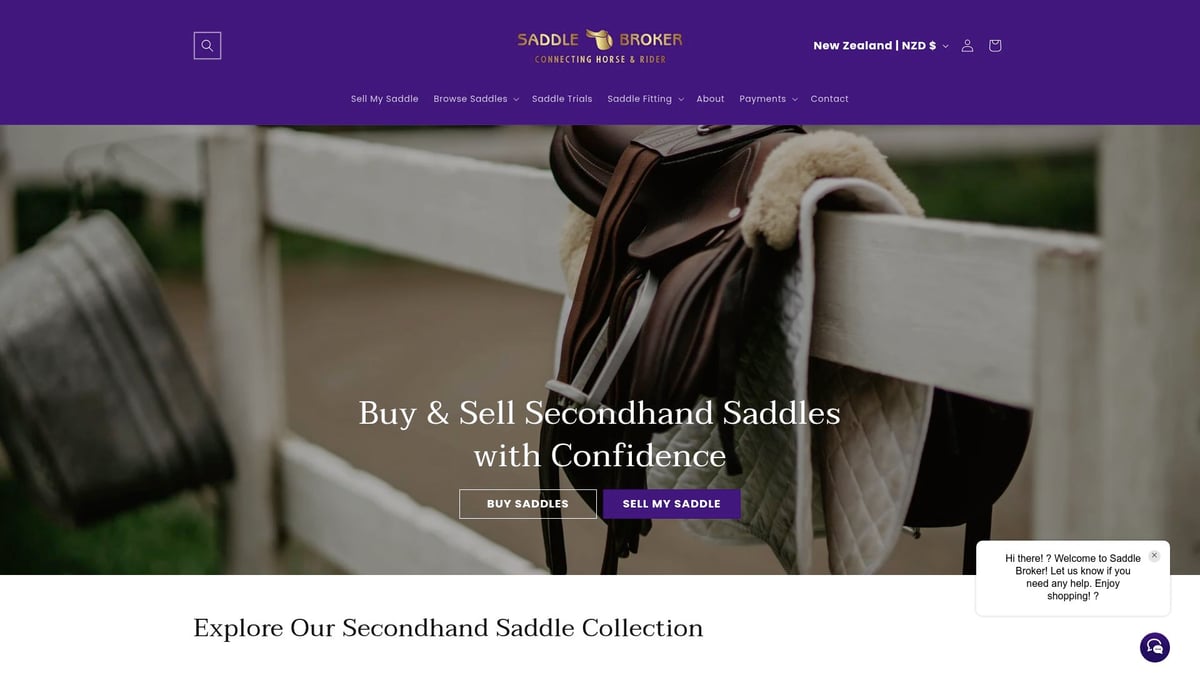
Key benefits of choosing The Saddle Broker include:
- Professional Valuation: Accurate pricing ensures transparency for all parties.
- 7-Day Trials: Buyers can test saddles in real riding conditions before committing.
- Nationwide Courier Service: Secure shipping and insurance for peace of mind.
- Expert Fitting Support: Guidance from knowledgeable staff, both in person and remotely.
Sellers also benefit from guaranteed payment and fully inspected saddles, making the saddle shop marketplace more accessible and secure than ever. In 2025, this hassle-free approach redefines what equestrians can expect from the modern saddle shop.
Technology and Trends Shaping Saddle Shopping in 2025
Technology is transforming the saddle shop landscape. In 2025, equestrians are encountering new ways to buy, fit, and care for saddles. With rapid advancements, riders are empowered to make smarter decisions, improve horse welfare, and embrace sustainable practices.
Digital Tools and Virtual Fitting Solutions
Digital innovation is reshaping the saddle shop experience. The rise of 3D scanning apps, pressure-mapping systems, and virtual consultations means more riders can access expert fitting remotely. According to recent industry data, 40% of buyers now use digital fit assessment tools before making a purchase.
These tools allow for precise measurement of both horse and rider, reducing the risk of discomfort and long-term health issues. For example, saddle mapping technology, highlighted in this article, is helping reduce equine back pain by providing real-time feedback on fit and pressure distribution.
While digital tools offer convenience and accessibility, in-person saddle fitting remains essential for complex cases or horses with unique conformations. The integration of technology ensures that the saddle shop can serve both local and remote clients efficiently.
Sustainable Materials and Ethical Manufacturing
Sustainability is at the forefront of innovation in the saddle shop industry. Brands are rapidly adopting plant-based leathers, recycled materials, and closed-loop production methods. Biodegradable packaging and traceable supply chains are now standard among leading manufacturers.
Consumers are demanding transparency and ethical sourcing. Certifications for responsible manufacturing are becoming key differentiators. The saddle shop of 2025 showcases eco-friendly models that do not compromise on durability or comfort.
A recent market survey reported a 15% year-over-year increase in sales of sustainable saddles. These changes not only benefit the environment but also align with the values of modern riders who prioritize responsible choices.
Smart Saddles and Integrated Technology
Smart saddles are emerging as a game-changer in the saddle shop market. These innovative saddles come equipped with built-in sensors that monitor pressure, movement, and rider position in real time. The data collected helps riders refine their technique and allows trainers to identify subtle issues before they become problems.
The smart saddle segment is projected to grow by 18% in 2025. Riders are using these advanced tools for everything from performance training to injury prevention. The saddle shop now offers models that sync with mobile apps, providing instant analytics and feedback.
This integration of technology is not just a trend, but a shift toward proactive equine care. As more riders embrace these tools, the saddle shop continues to evolve, offering products that blend tradition with innovation.
The Rise of Secondhand and Circular Economy Models
Affordability and sustainability are driving the popularity of secondhand saddles. In 2024, secondhand saddle sales accounted for 30% of the total market, a figure expected to rise as both buyers and sellers seek value and environmental responsibility.
The saddle shop is adapting by offering quality-inspected used saddles and supporting circular economy principles. Platforms now guarantee authenticity, provide expert valuations, and offer trial periods, making pre-owned saddles a viable option for riders at every level.
To ensure a positive experience, the saddle shop emphasizes thorough inspections and transparent histories. Buyers are encouraged to evaluate fit and condition carefully, while sellers benefit from streamlined processes and secure transactions.
As these trends continue, the saddle shop stands as a hub for innovation, ethics, and value, ensuring every rider can find their perfect saddle in 2025.
Expert Advice: Maximizing Value and Avoiding Common Pitfalls
Choosing the right saddle at the saddle shop can be a game changer for both horse and rider. Experts agree that informed buyers consistently achieve better outcomes. Whether you are purchasing or selling, understanding the details can save time, money, and frustration. Let us explore how to maximize value, avoid common pitfalls, and ensure your journey through the saddle shop is both rewarding and efficient.
Insider Tips from Saddle Fitters and Shop Owners
Navigating the saddle shop can be daunting, especially with so many options and evolving technologies. One of the most common mistakes buyers make is settling for the first saddle that appears to fit, rather than trying several models. Experts at the saddle shop recommend trialing multiple saddles, as subtle differences in tree shape, seat depth, and panel configuration can drastically affect comfort and performance.
Quality craftsmanship is another crucial consideration. Look beyond brand names and flashy details. Examine stitching, leather suppleness, and the feel of the tree. A well-made saddle from the saddle shop will retain its value far better than one with superficial features. Always request documentation of the saddle’s history and maintenance.
Negotiating price is an art. Shop owners suggest researching recent sales of similar saddles and being prepared to discuss value retention. Timing purchases around seasonal sales or shop clearances can also yield significant savings.
One often overlooked aspect is saddle maintenance. A well-cared-for saddle holds up under scrutiny and can prevent issues such as back pain for both horse and rider. For more on the impact of fit and maintenance, see this resource on saddle fit and back pain in horses and riders.
Selling Your Saddle: Strategies for Success
When it comes to selling, the saddle shop environment requires strategic preparation. Begin by thoroughly cleaning and conditioning the saddle. Address minor repairs and gather all relevant documentation, such as the original receipt and recent maintenance records. This preparation boosts buyer confidence and streamlines the process.
Pricing is critical. The saddle shop professionals suggest setting a realistic price based on condition, brand reputation, and current market demand. Overpricing can stall sales, while underpricing leaves money on the table. Research similar listings and consult with experts if needed.
Choosing the right platform is also key. Options include private sales, consignment, or specialist shops. Each has unique advantages. Consignment shops offer wider exposure and expert handling, while private sales can yield faster results. For detailed steps on how to sell effectively, consider the guidance at How to sell your saddle.
Handling buyer inquiries professionally is essential. Be prompt, transparent, and willing to arrange trial rides if possible. Insist on secure payment methods and use insured shipping for delivery to protect both parties.
Care, Maintenance, and Longevity
Proper care is the foundation of value retention at the saddle shop. Establish a regular cleaning routine using appropriate products for leather or synthetic materials. Store the saddle in a cool, dry place on a well-shaped rack to prevent warping and mildew.
Routine inspections can catch issues early. Check for loose stitching, uneven flocking, or tree movement. When in doubt, consult a professional for repairs or re-flocking. Well-maintained saddles can retain up to 60% of their original value after five years, as summarized in the table below:
| Care Level | Expected Value Retention |
|---|---|
| Excellent | Up to 60% |
| Moderate | 40-50% |
| Poor | 20-30% |
Knowing when to replace or upgrade is vital. If the saddle no longer fits due to horse development or if structural issues arise, it is time to consult the saddle shop for new options. For a deeper understanding of fit and longevity, revisit saddle fit and back pain in horses and riders.
Case Examples and Real-World Success Stories
Real-world stories illustrate the value of expert advice at the saddle shop. One rider, struggling with persistent back pain in her horse, invested in a professional fitting and discovered subtle pressure issues. After switching to a more ergonomic model, both her riding and her horse’s comfort improved dramatically.
Another example involves a seller who meticulously documented the saddle’s care and history. By presenting this information at the saddle shop, she secured a quick sale at a premium price.
Lessons from these cases are clear: invest time in research, seek independent advice, and never rush decisions. The saddle shop is more than a marketplace, it is a hub for expertise and long-term value.
Now that you’ve explored the latest saddle innovations and learned what truly makes a great fit for both you and your horse, you might be wondering how to put this knowledge into action. One of the best ways to ensure you’re making the right choice is to experience saddles firsthand before committing. With access to a wide range of fully inspected options and expert support, you can confidently test ride and compare in real conditions. If you’re ready to take the next step toward finding your perfect saddle, check out the available Saddle Trials and see how the right fit can transform your riding experience.